
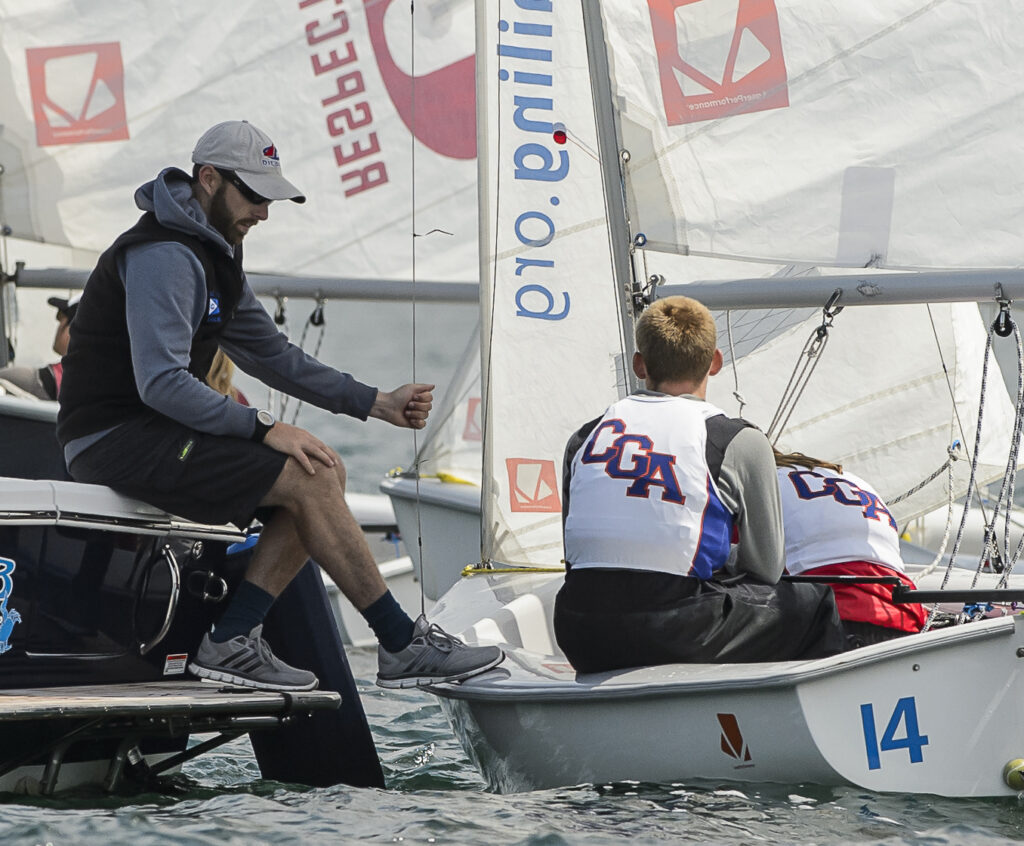
The Mental Side Is Trainable: Meet Brian Swingly
Most sailors have a plan for improving boat speed, starting, tactics and fitness. Far fewer have a plan for the moment after a bad start, the pressure of the final day of a championship, or the tension that can develop between teammates when things are not going well.
Brian Swingly believes those skills can be trained too.
Sail1Design recently welcomed Brian and Swingly Performance Coaching to the S1D team. In addition to supporting Sail1Design, Brian will contribute a recurring series of practical mental performance tools and ideas for sailors.
From Collegiate Coaching to Mental Performance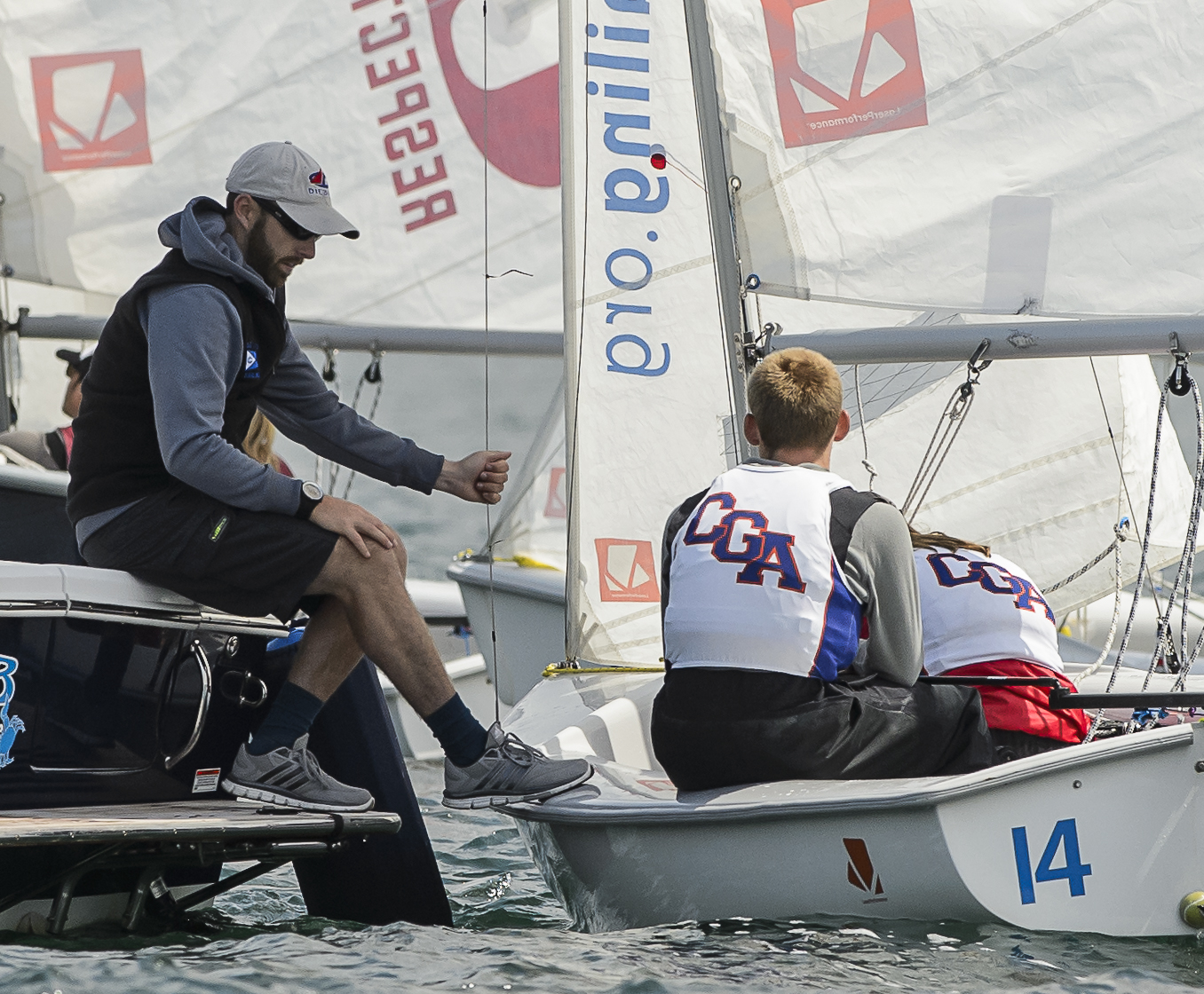
Brian spent 15 years as a collegiate head sailing coach at the U.S. Coast Guard Academy and Stanford University. During that time, the teams he coached won several national championships and produced multiple All-Americans and four College Sailors of the Year. He was also twice named NEISA Coach of the Year.
But the part of coaching Brian found most meaningful went beyond tactics, technique and results.
“The work I always found most rewarding was helping sailors understand themselves, navigate pressure, work through challenges, and become stronger performers and people,” Brian said.
That work is now the focus of Swingly Performance Coaching. Brian works primarily with competitive sailors, along with executives, founders and other high-performing leaders. His approach combines decades of sailing experience with formal coach training, evidence-based mental fitness practices and tools that athletes can use in training and competition.
The Challenges Sailors Share
The boats and stakes may differ, but many sailors face the same mental challenges. Pressure can come from a major championship, the final race of a series, expectations from other people, or the expectations sailors place on themselves.
Brian does not believe the answer is to eliminate pressure or pretend it’s not there.
“The goal is to recognize the emotions that come with pressure and learn to perform effectively within them,” he said. “You may not control the first thought or emotion that appears, but you can train how you respond to it.”
Resetting is another common challenge. Sailors make hundreds of decisions during a race. One poor start, missed shift, slow maneuver or communication breakdown can occupy far more attention than it deserves. Without a reliable reset, one mistake can affect the next decision, the next leg or even the rest of the event.
Preparation and reflection can be inconsistent as well. Sailors may spend hours improving their boats and physical skills without developing a repeatable way to prepare mentally, set intentions or debrief without falling into judgment. Under pressure, communication patterns also become more pronounced. Some sailors go quiet, while others become overly directive, defensive or frustrated.
Mental Fitness Is a Trainable Skill
A common misconception about mental performance is that sailors are stuck with their natural tendencies. Someone may believe they are inherently anxious, easily frustrated or simply not confident.
Brian views mental fitness much like physical fitness. Reading about a workout or completing it once does not make someone stronger. The benefit comes from consistent practice. Sailors can build mental routines and responses in the same way.
One example is a short reset Brian uses with his clients:
-
- Notice: Recognize the thought, emotion or physical reaction that has pulled your attention away.
- Ground: Use a breath, physical cue or another brief action to return to the present moment.
- Choose the next useful task: Identify what needs your attention now and put your focus there.
The reset is not about ignoring a mistake or pretending it did not matter. There will be time to learn from it later. Its purpose is to keep one difficult moment from determining what happens next.
A future installment of the series will explore this reset in greater depth, including how sailors can develop their own grounding cues and practice the process before they need it in competition.
Introducing The Mental Rep
Through a new recurring Sail1Design series, The Mental Rep: Practical Mental Performance for Sailors, Brian will share focused tools sailors can test in their own training and racing.
The first installments will build out a complete competition-day mental performance routine: preparing before racing, resetting during competition, and reflecting afterward in a way that helps sailors learn and then let go. From there, the series will explore energy management, pressure, confidence, visualization, attention, communication and other factors that shape both performance and the experience of sailing.
To learn more about Brian and Swingly Performance Coaching, visit swinglycoaching.com.