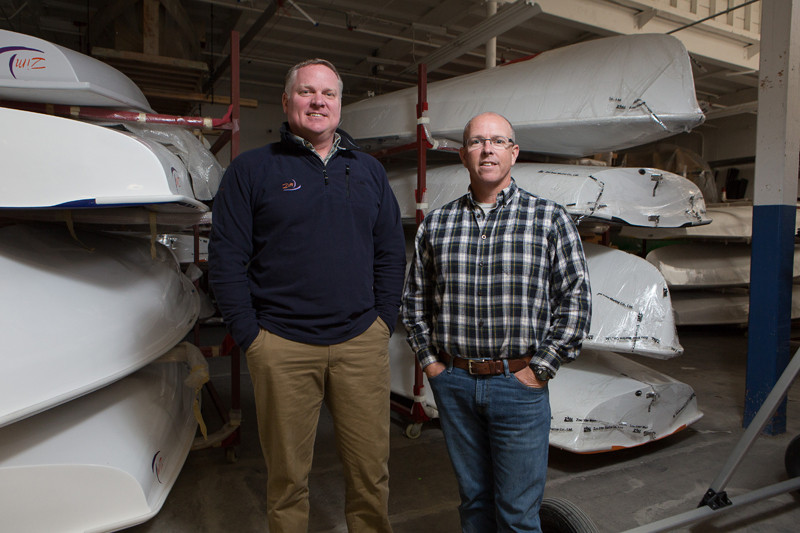
Sail1Design is pleased to recognize one of our longest partners, West Coast Sailing. On a personal note, I was coaching awhile back at the High School National Championship in Seattle, and WCS was there, start to finish, with gear, support, and smiles. It is a great company, take a moment to meet the team. Happy Milestone Birthday!
West Coast Sailing was founded in June 2005 with one vision: to be the leading resource for products, services, and information in the small sailboat industry. 15 years later, we’ve worked with  tens of thousands of sailors around the world and remain committed as ever to supporting your passion for sailing.
Founder George Yioulos opened the doors of West Coast Sailing on June 13th, 2005. In those early years he worked hard, through long days where the phone didn’t ring and no one came by the shop, and gave all his energy to helping fulfill a passion for sailing among those who love being on the water. In the years since we’ve grown, made our share of mistakes, faced challenges, and fought like mad to be here. West Coast Sailing is proud to be among North America’s leading sources for small sailboats, sailboat parts, sailing apparel, and equipment,remaining fully independent and focused on our core mission.In the past year we shipped over 13,000 packages, reaching every state in the United States and over 25 countries, sold and delivered over 400 boats to programs, clubs, and individuals,launched a brand new, state of the art website to make ordering product easier, expanded our product catalog which now includes more than 8,000 unique items, supported 50+organizations, regattas, and events with our sponsorship program, and worked closely with clubs and community sailing programs to keep kids on the the water.
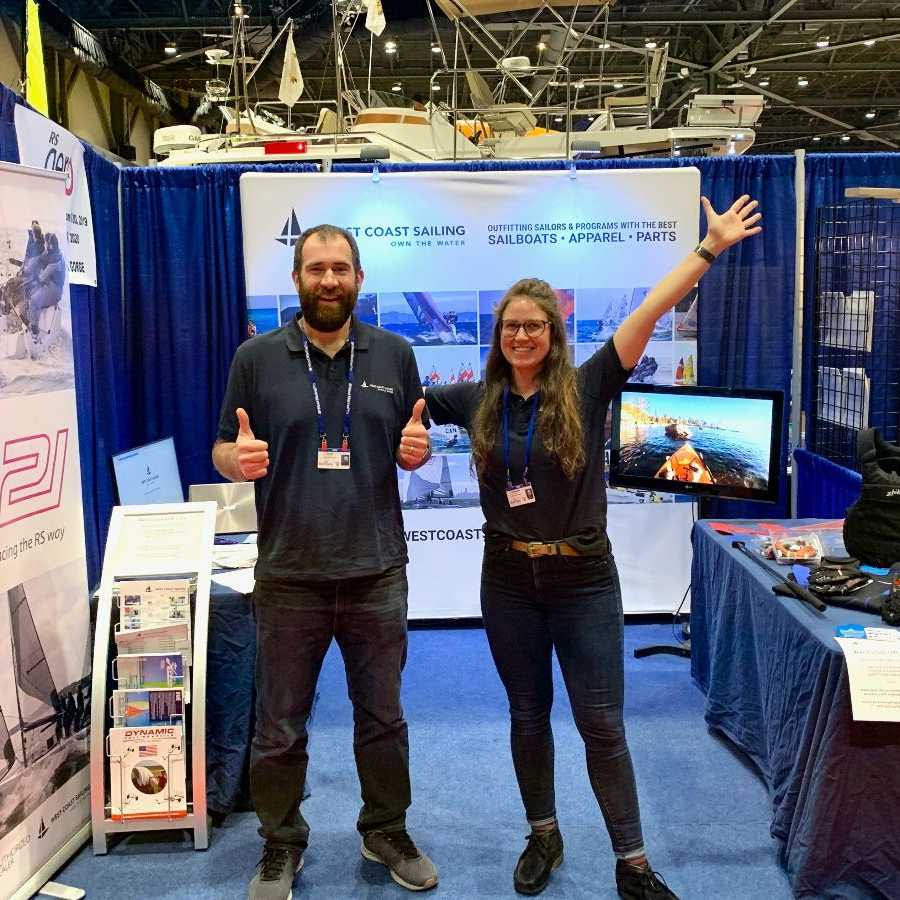 Today, West Coast Sailing employees 15 dedicated and passionate sailors who work hard day in and day out to answer your questions, help you find the right replacement part or new sailboat,manage our ever growing product catalog, and fulfill your orders. Despite a few challenging months in the first half of 2020, we remain committed as ever to our vision and going the extra mile to help you make the most of your time on the water.
Whether you have shopped with us for years or looking for your new go to sailing store,hardcore dinghy racer or casual cruiser, up and coming junior sailor or parent of one, scholastic sailor, coach, program director, supporter, or simply someone who loves being on the water, we welcome you to check out everything we have to offer. When you choose West Coast Sailing you are not only helping to fulfill our vision of being a leading resource for sailors, but also helping us do more to give back to our sport and the sailing community. Thanks for being a part of our story, and we know the best is still to come.
Get to know West Coast Sailing at https://westcoastsailing.net/welcome
Written by Philip Krug, VP of Marketing & Ecommerce, West Coast Sailing June 22nd, 2020
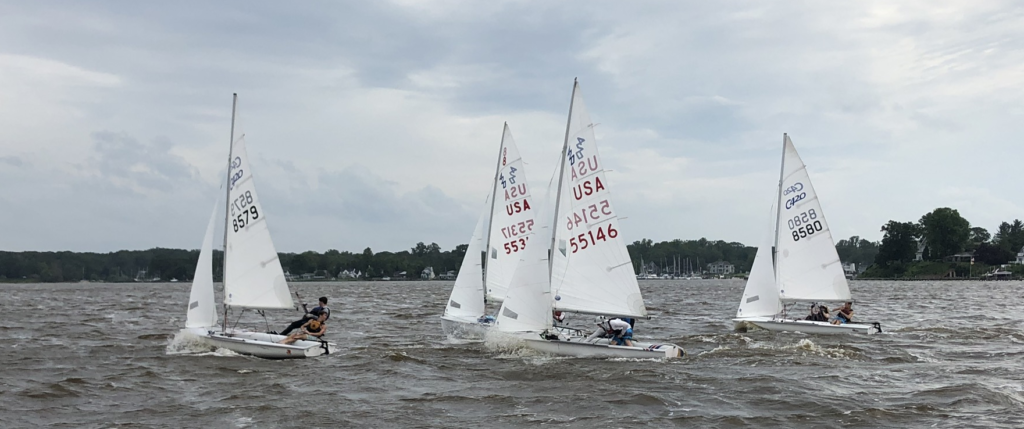 Organized soon after the State of Maryland lifted boating/sailing restrictions and careful to mind all social distancing policies and procedures, the 29-31 May North Sails “C&I” 420 Clinic found some very eager participants, who could not wait finally to get out on the water and get back to sailing.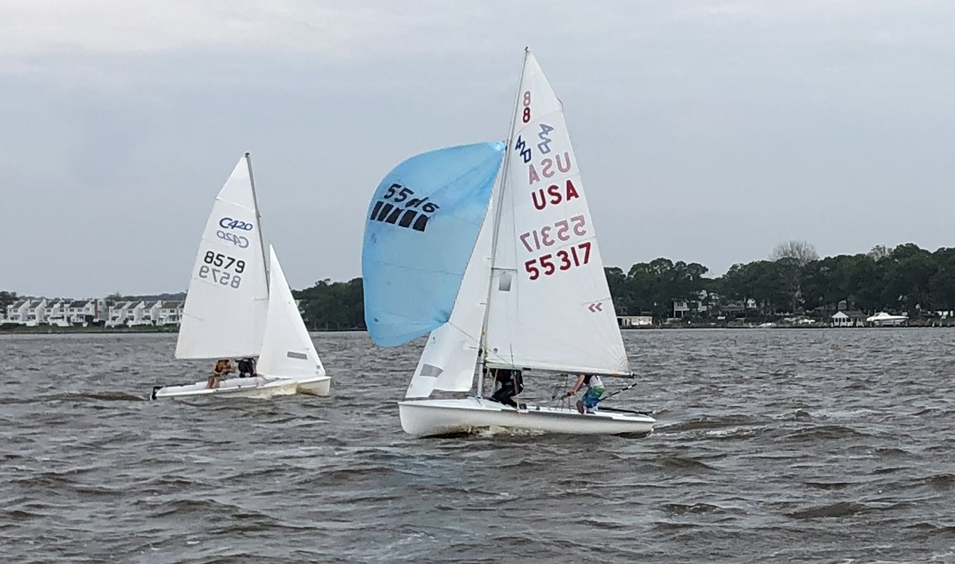
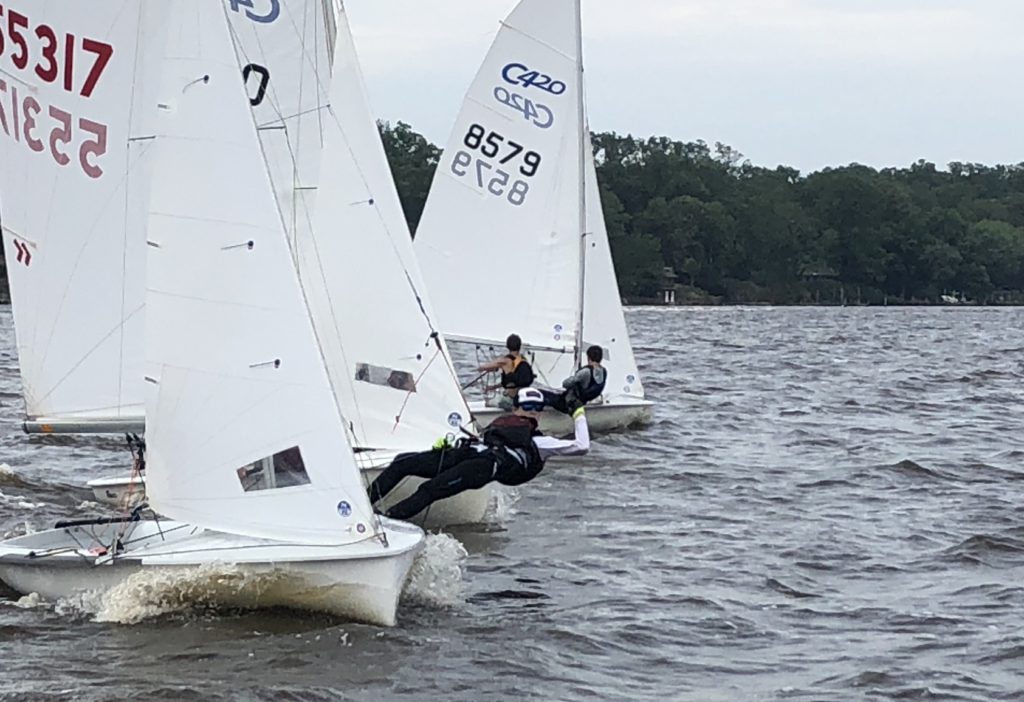
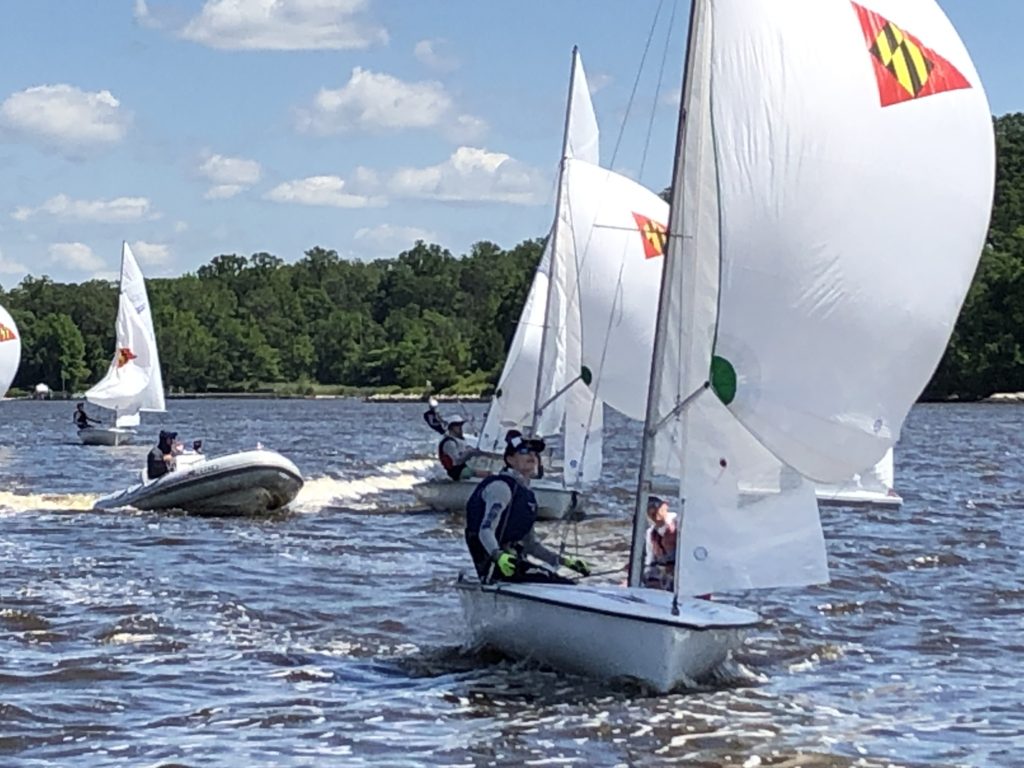 One of the goals of this clinic was to expose sailors, first-hand, to the distinctions between the i420 and the c420. North Sails Tom Sitzmann, who is currently working on an all-new NS i420 tuning guide, shared some of the tips and tricks that make the North Sails i420 sails set up as they should be (for more information on North Sails i420 options, contact Tom) While both classes offer incredible opportunities for youth sailors, their tuning, trim, and focus points are distinct, and successful teams know these differences. Ultimately, the difference in each boat’s performance characteristics requires teams to dial in to the boat’s capabilities, and recognize tactics must change with boats that go different speeds.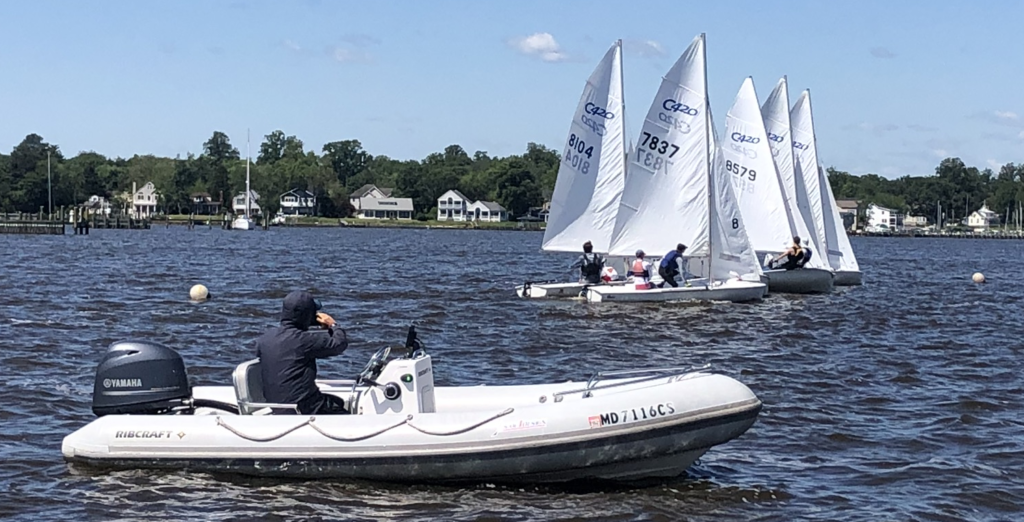

 sailing program with 65 sailors from ages 6 to 16. SHYC now seeks a

 Mollicone.
 I didn’t grow up in a “yacht club family” or have weekend cookouts and clam bakes. I can say, satisfactorily and proudly, I did not grow up as a “yacht club kid”. I did, however, have the
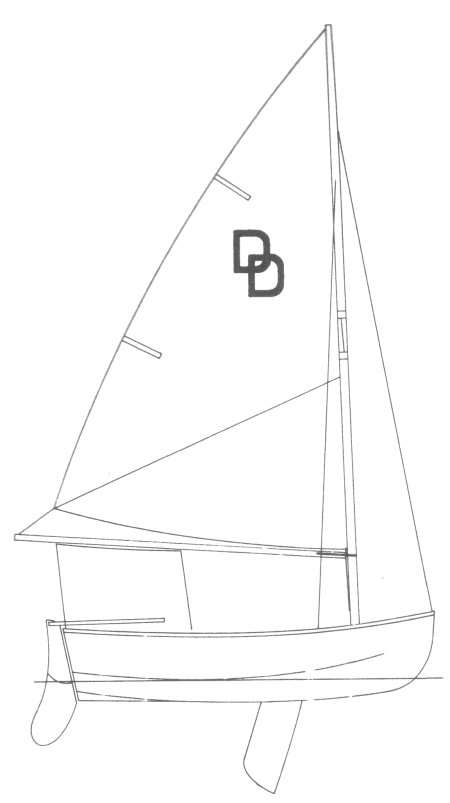
  unmistakable fortune to learn how to sail at the Mystic Seaport, on a very small river, where the wind did donuts all day, and if you capsized you would sink up to your knees in mud and were most likely to go home stinking with the famous aroma of “Mystic Mud” well into the evening (ever after scrubbing relentlessly in the shower). This brings us to the first forgotten beginner sailboat: the Dyer Dhow, aka Bath Tub. The Dyer Dhow indeed earned her nickname “bath tub” for a darn good reason: It looks like one, it floats like one, and well, it sinks like one. These are not little boats you can right yourself after capsizing. It requires an immense amount of effort from your coach. Firstly, getting the sailor out of the water and into the launch, then awkwardly heaving the bow onto the gunwale of the launch, and then begin to bail, and bail and bail. After all this heaving and hauling, the sailor is set back into the bathtub, free to go and capsize once again, and so the perpetual motion goes on, great upper body workout when you have 50 bathtubs out and about.
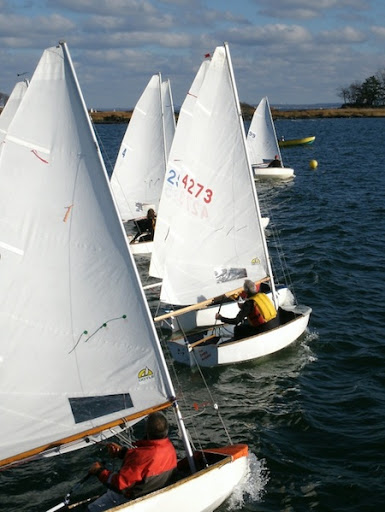
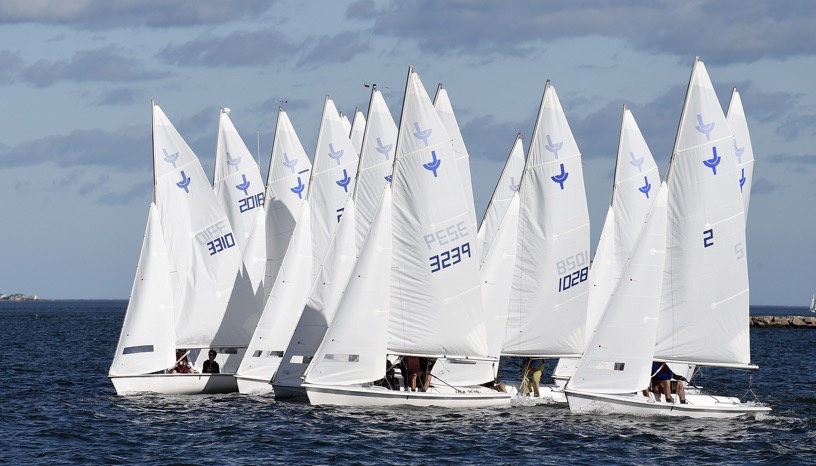 long-time childhood friend of mine and I taught sailing in Noank, CT, one of the cutest hidden towns on the East Coast, full of fresh lobster rolls and salty local fishermen. Our floating docks were anchored in the harbor in Fisher Island Sound, every morning packing the kids into the launch boats and ferrying out after the morning brief. The great perk from these boats was they were amazingly easy to take care of. Kids loved them, as summer sailing was all about being with your friends, being free, smelling like sunscreen seven days a week, and not having a care in the world. Smooth flared gunwales made hiking easy and comfortable. It was the perfect summer sailing fun boat.
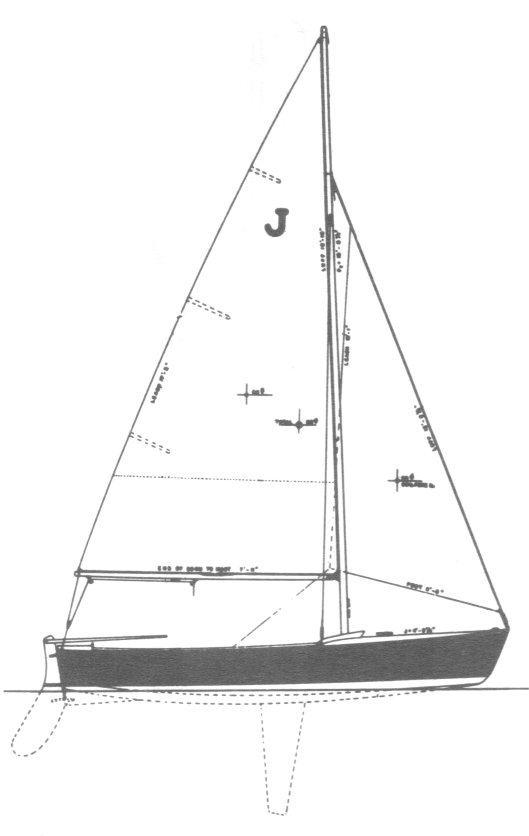 Sparkman, leader of Sparkman & Stephens. The restoration of a Blue Jay is a project accountable of me falling in love with the smell of epoxy and varnish. My Uncle had an old wooden Blue Jay sitting in his garage, calmly waiting to be restored. I was to be his apprentice. With wood, comes rot, with rot comes inevitable holes, and there was a lot of rot – hence the extensive application and use of epoxy. We started restoring Yankee in February, when temperatures in Connecticut typically do not rise above 20 degrees Fahrenheit. I soon came to find that the chemical reaction which occurs when mixing epoxy is heat, lovely wood smelling heat in your frigid hands. I was hooked. The hull and rig were stripped of all hardware, naked and ready to be hand sanded. Low and behold, after months of sanding, priming, sanding, priming, sanding, painting and varnishing, Yankee was looking quite majestic and handsome once again. With a fresh glossy red hull, and a clean off-white for deck and inside, she was rejuvenated to her original beauty.
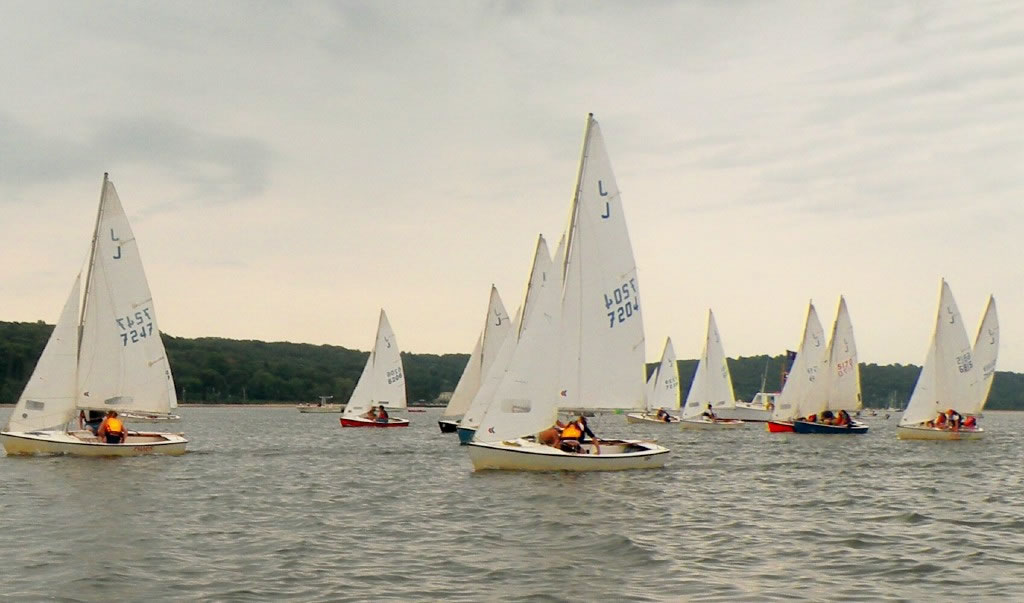 While the present-day youth sailing scene is heavily invested in Opti’s, 420’s, FJ’s, and Laser’s, there still exists niche pockets of dinghy sailing centered on appreciation of tradition, pure fun, and history. If there is one prominent common denominator with the Dyer Dow, JY 15, and Blue Jay, it’s versatility. Dyer Dows are great beginner boats and can allow for a simple and straightforward introduction into sailing basics. It can also be towed as a tender, used for picnics to the beach, and general putzing around with no nonsense. If you’re looking for an easy to rig, simple and comfortable design, that can be used for racing and also family activities, the JY 15 and Blue Jay are a great match. Quite simply, the enjoyment of sailing comes in all shapes and forms, all ability levels, and all ages. Whatever your goal is in sailing, we can all appreciate the simple solitude of being one with the ocean and the wind, and always having fun.