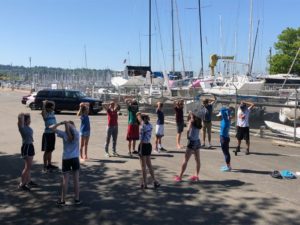
 Hard to believe, but summer is finally here! Which means so is junior sailing. Looking for a way to enhance your program and get your kids having fun!? Add some fitness to your daily routines! So program directors, head instructors, coaches, and instructors this one is for you! Check out reasons to add daily fitness to your programs routine and how to do it so the kids are having fun and getting fit all summer long!
Whether your program is sailing competitively or recreationally fitness is an important part of sailing. You need to be strong, flexible, and able to move quickly across the boat to enhance your performance in the different wind conditions. By adding fitness to your junior program you can help the sailors to understand the importance and develop a good mindset about fitness for sailing. Since we are targeting juniors we want to make sure we don’t forget to make it fun!
Reasons to Add Fitness to your Program:
Get Sailors Fit
One of the first reasons to add fitness to your program is to help get your sailors fit. Adding some fitness every day or every other day will help your sailors to get stronger which will enhance their performance out on the water. Even if they are sailing for fun, things will get easy out on the water by taking the time to build strength!
Make the Program Fun
Does your program need a little morning or afternoon change up? By adding some morning or afternoon stretching and mini workouts, you can change up the program. The sailors will enjoy the change up and have fun with the new activities in the program. By creating the right fitness routine you can make it fun while getting the group fit!
Develop a Good Mindset
By adding fitness to a junior program we can help sailors develop a good mindset about fitness for sailing. We need to make sure we make it fun and not make it feel like a chore, so they develop a positive mindset. By adding it to your junior program you can help create a fun and positive mindset so the sailors continue with their fitness journeys as they grow up.
Avoid Injury
Sailing is a physical sport and activity. So every time we hit the water we are in a position to get an injury. By adding stretching and some strength work to our programs we can help to sailors avoid injuries they may receive on the water due to lack of strength or tight muscles. However, we also need to watch when we add fitness to our programs that sailors don’t do exercises incorrectly or exercises that are too advanced. You always want to consult with a fitness professional before adding fitness routines to your program.
 How to Add Fitness to your Program:
So now how can you add fitness to your program? First you want to make a program that is appropriate for the age of your group. You only need to make slight adjustments to make this work for each age group.
Ways to Add Fitness:
- Add stretching into the morning routine.
- Add stretching at the end of day, you can debrief while stretching.
- Fitness activities are great to add on no wind or too windy days.
- Use team building activities that utilize fitness.
Before Sailing Stretching Routine:
Dynamic Stretching Workout #1
Knee Ups – 10 each side
Lunge w/ Twist – 10 each side
Shoulder Shrugs – 20
Hip Stretch w/ Twist – 10 each side
Repeat 2x
Arm Circles – 10 each way
High Kick – 10 each side
T-Push Ups – 10
Reverse Lunge w/ Reach – 10 each side
Repeat 2x
Dynamic Stretching Workout #2
Single Leg Deadlift – 10 each side
T-Push Up – 10
Side Lunges – 10 each side
Standing Side Reach – 10 each side
Repeat 2x
Knee Ups – 10 each side
Arm Circles – 10 each way
Side Leg Swing – 10 each side
Knee Up Reverse Lunge – 10 each side
Repeat 2x
After Sailing Stretching Routine:
Hamstring Stretch
Glutes Stretch
Quadriceps Stretch
Wrist Stretch
Active Side Lunge
Shoulder Stretch
Tricep Stretch
Check out the video with all the stretching exercises!
Team Fitness Activities:
Fitness relay races are a great addition to your program not only are they fun, you get the group working together as a team while getting a workout in.
Team Relay Race Workout #1
Break the group up into two teams. Each member of the team has to do all the exercises. The team that completes the workout first is the winner. Team members should motivate and push other team members to help them finish.
20 Jump Squats
15 Push Ups
Sprint 50 yards
20 Shoulder Taps
20 Burpees
Sprint 50 yards
Team Relay Race Workout #2
Break the group up into two teams. Each member of the team has to do all the exercises. The team that completes the workout first is the winner. Team members should motivate and push other team members to help them finish.
10 Push Ups
20 Mountain Climbers
30 High Knees
10 Tricep Dips
20 Ski Abs
30 Switch Lunges
Check out the video with all the exercises for the relay races!
A fun way to finish the workout all together as a whole team with a game of “Extreme” Duck Duck Goose.
How To:
Group forms a big circle facing outwards spaced apart. Everyone is jogging in place throughout the game. Someone in the group begins with being it jogging around the circle clockwise calling each player duck until they pick one to be the goose. Each time a player is called duck they do a squat. Once a goose is picked they run the opposite way of the person it and they both attempt to race to back to that empty spot. You may need to enforce a no physical-contact to avoid anyone getting hurt. If you have time let everyone have a turn at being it.

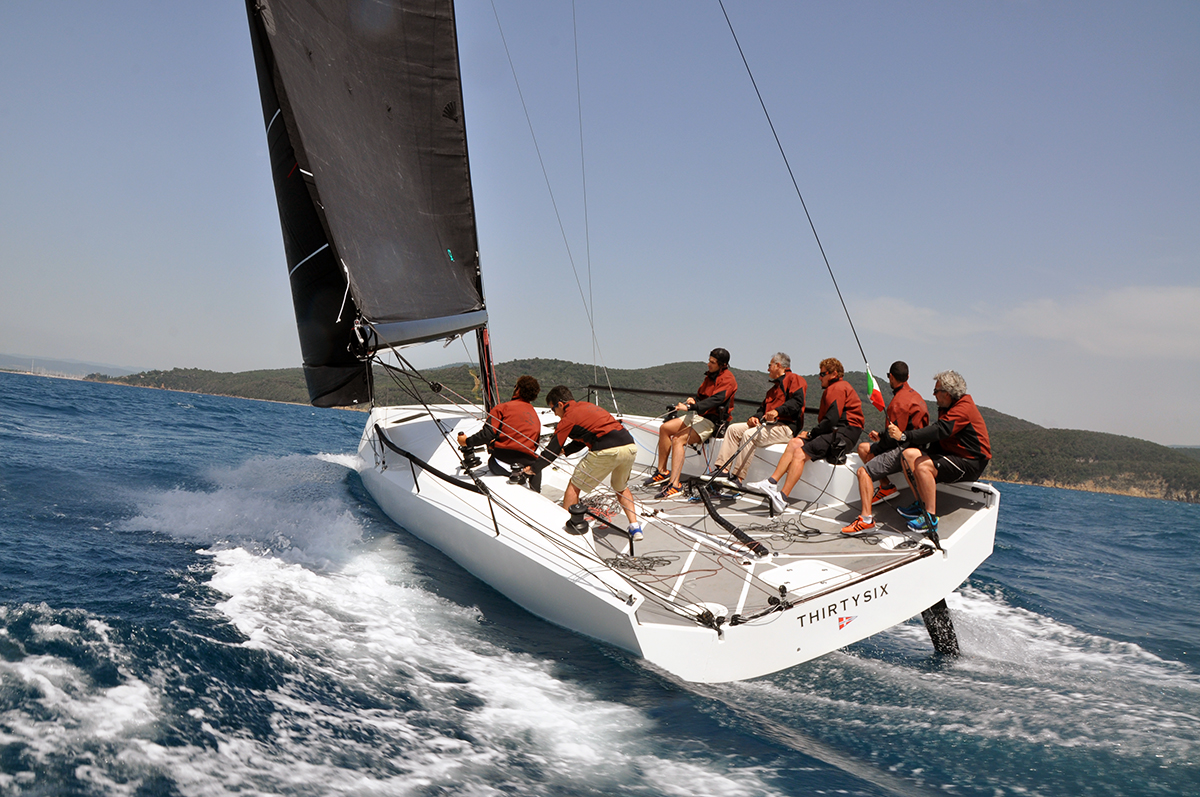
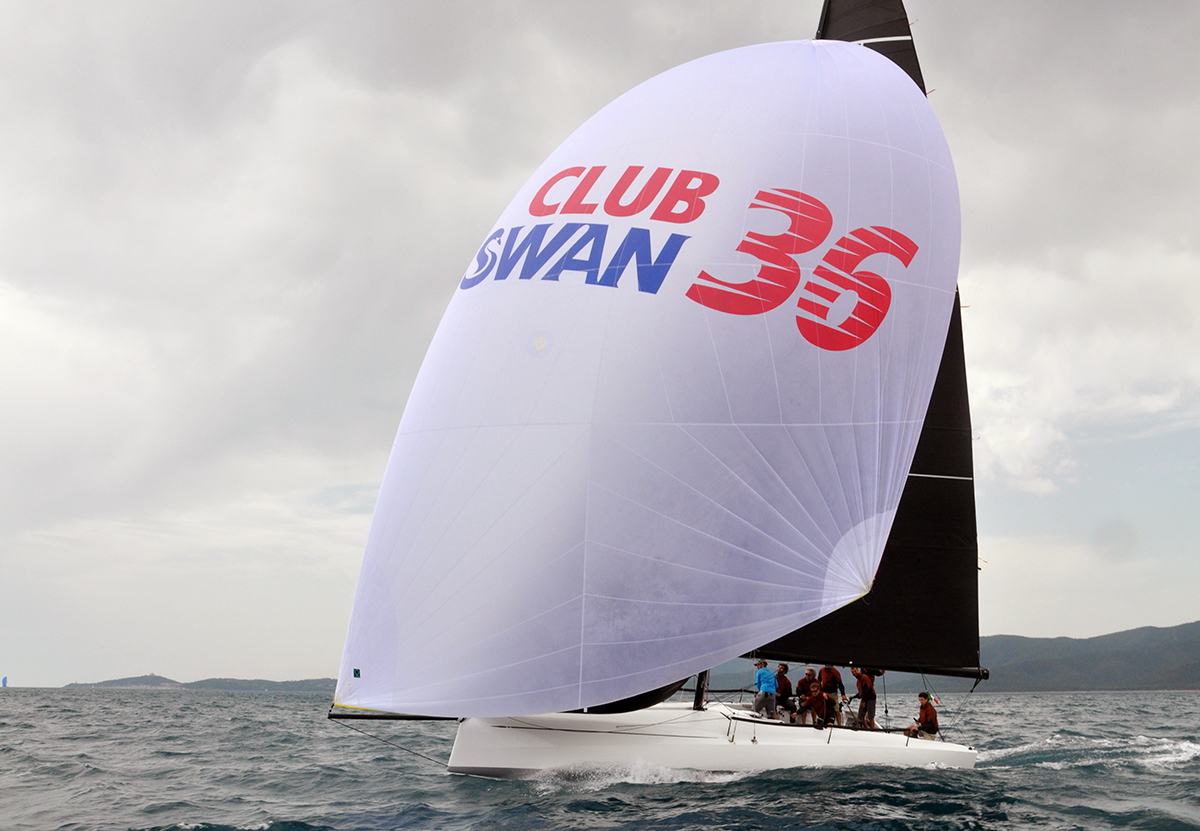
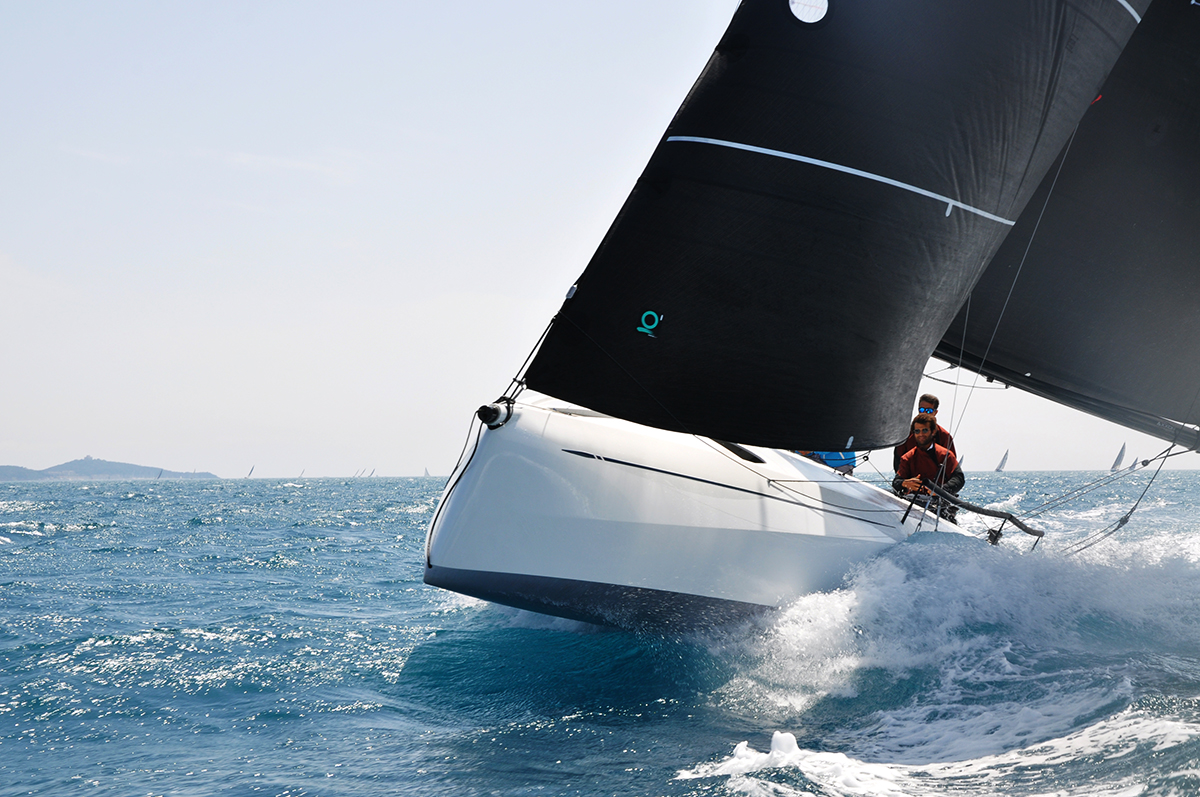 Jewels in the crown of the ClubSwan calendar are the Rolex Swan Cup, organised by the Yacht Club Costa Smeralda (Porto Cervo), and the Nations Trophy, dedicated to the Swan One Design yachts (ClubSwan 36, ClubSwan 50, Swan 45, ClubSwan 42).
 By Airwaves writer Pearson Potts– As dinghy team racing has lulled in recent years in the U.S., young, post-college sailors have substituted dinghies for inter-yacht club keelboat team racing. There is a circuit of roughly 30 events each year between yacht clubs in the northeast for varying levels of crews and skippers. Unfortunately, those who do not join a club to compete I have noticed often fade away in local PHRF series and keep a low profile. The problem is that these keelboats, such as Sonars and J22’s, don’t sail well with
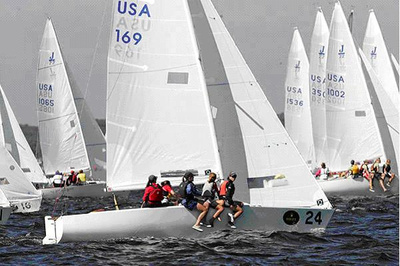 the slim female crews that dominated college sailing. The incentives for crews have seemingly flipped –where crews were rewarded in college for being lighter, they are now asked to be heavier. The boats want to be sailed flat and the sails require more strength to be pulled in compared to a 420 jib. Event organizers know this and set the maximum crew weight in the NOR to allow larger sailors. As a result, teams edge as close as they can to the limit to hit the high average per crew member which are typically male. These high averages crowd out talented female sailors from ever sailing in such events.
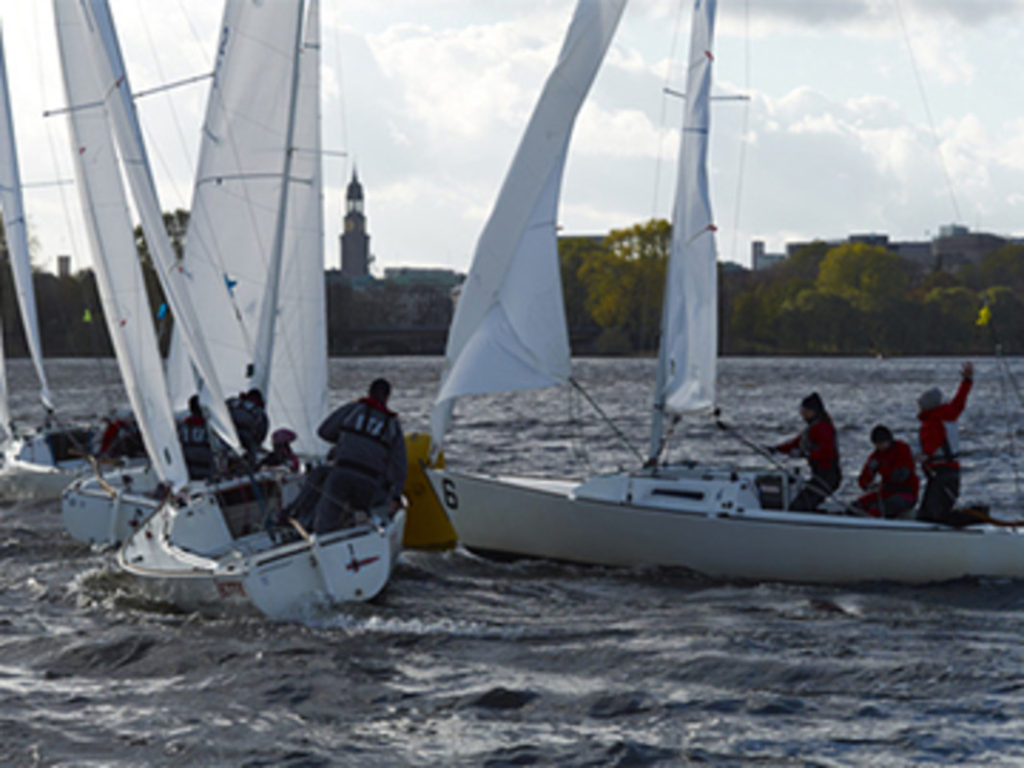 It is not only about my girlfriend or females in general though; weight is the core of the issue regardless of gender as we know is largely determined by our genetics. I enjoy sailing with my friends who happen to be a bit runty, thus I rely on competing in match race events where I can afford an extra crew member on board. I competed at the Ficker Cup in Catalina 37’s this year where the crew maximum mirrored the Congressional Cup that capped the maximum number of crew at 6 people with an average of 192 lbs. Forget females, it is not easy to find male sailors my age at that size. Come to think of it, I don’t recall a single female on any boat at the event despite it labeled as an “Open” regatta. According to the CDC, the median weight for males aged 20-29 in the U.S. is 168 –for women it is 132 lbs. The question is how can sailing adjust to accommodate such weights.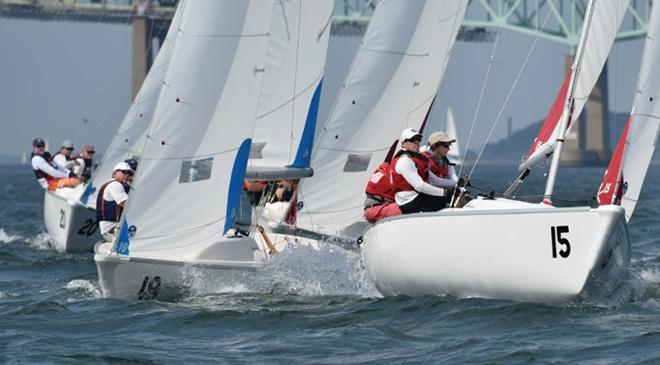


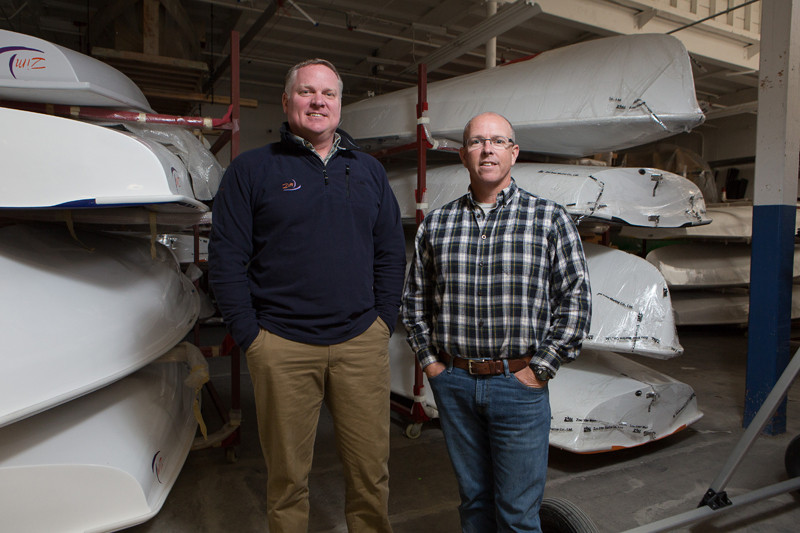
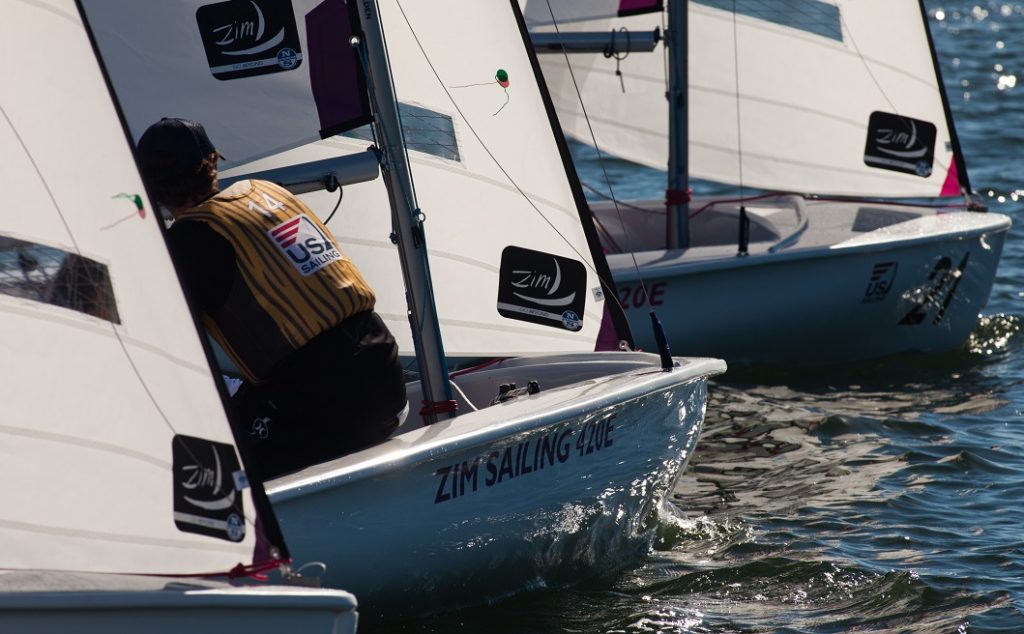 However, boat buyers are not who they used to be –and Zim knows it. Gone are the days where you buy a sailboat, join a yacht club and race it every weekend. Instead noncommittal millenials in early adulthood live in the land of Uber, AirBnB and TaskRabbit where boat ownership is not a thought. Zim has adapted and supported large community boating centers and yacht clubs who want a fleet of boats. They drive nearly 100,000 miles a year to attend events with only 25 sailors to national championships with 400. Few adults can be found in a dinghy after college save a group of lasers frostbiting. Summer camps are also poised to replace their archaic, brittle, fiberglass boats for rotomolded RS boats. Zim sailing has done its part to support sailing’s youth.