Balance, we all need it to help us perform daily tasks so of course, we need it for sailing! Recently, my husband and I started sailing a new sailboat the RS 500, and we will be traveling to England at the end of summer to compete in the RS 500 Worlds. This is a doubled handed single trapeze boat. So first time in the boat the other day I was getting to test out my balance skills using the trapeze. Fun time, but now time to work a little more on tho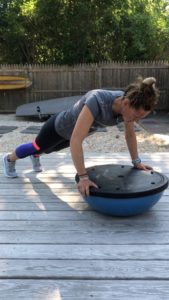 se balance skills! Getting sailing the other day lead me to create a new balance workout. No matter what boat we are going to be stepping into we will need to have balance and stability. These two factors are critical to our performance out on the water. By having strong balance and stability, you will be able to make more precise movements out on the water making gains and improving your skills. Time to get working on that balance!
For this workout, you will need a BOSU ball and dumbbells. The BOSU ball is a great fitness tool to use to help improve your balance skills. Check out the video below with all the moves for the workout.
Warm Up with Dynamic Stretching (5 minutes)
Core Activation:
Plank (45 seconds)
Single Leg Squat (30 seconds each side)
Shoulder Taps (45 seconds)
Split Lunges (45 seconds)
Repeat 3x with 30 secs between each set
The Workout:
1. BOSU Pushup – 15 reps
2. BOSU Balance Deadlift – 5 reps each side
3. BOSU Ball Ski Moguls – 20 reps
4. BOSU Plank Up Downs – 12 reps
Repeat 3x with 30 secs between each set
1. Plank with Flying Plane Arms – 12 reps each side
2. Single Leg Bent Over Row – 15 reps each side
3. Curtsy Lunge With Oblique Crunch – 12 reps each side
4. Weighted Single Leg Deadlift – 12 reps each side
Repeat 3x with 30 secs between each set
1. BOSU In and Outs – 20 reps
2. BOSU Weighted Alternating Lunges – 20 reps
3. BOSU Alternating Knee to Elbow – 20 reps
4. BOSU Weighted Squats – 20 reps
Repeat 3x with 30 secs between each set
-Cool Down with Foam Rolling and Static Stretching
For more information on fitness for sailing contact [email protected]. Also check out Sailorcise on Facebook, Twitter, and Instagram for daily tips on fitness, nutrition, and sailing.
 Why Squat?
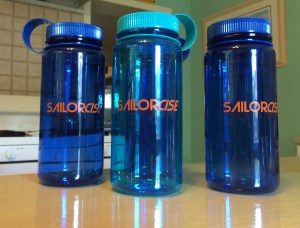 1. Hydrate
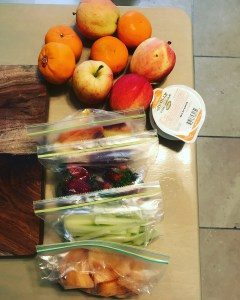 eat more whole foods rather than processed foods. Make sure your diet isn’t extreme, and you are balancing your carbs, protein, and fats. If you are sailing or training for more than an hour make sure to pack some healthy foods to snack on. You need to fuel your body during exercise if you are going to be working longer than an hour. After you are finished sailing or training for the day make sure to fuel your body with a snack consisting of high-quality protein and complex carbs within 30-60 minutes of finishing. Fueling your body after activity will help your body recover, repair tissues, and get stronger for your next day of sailing or training.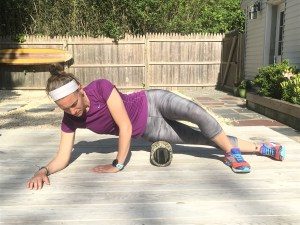
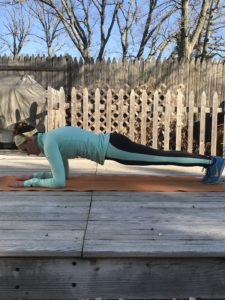 Ready to build that core? Having a strong core is an essential component to your sailing performance. With a strong core you can hike longer and harder. Also with a strong core you will find you are less sore after a long day of sailing and you will recover more quickly for your next event. Not only is having a strong core important to your sailing performance but everyday living. With a strong core you can prevent injury, improve your posture, and have more efficient overall movement.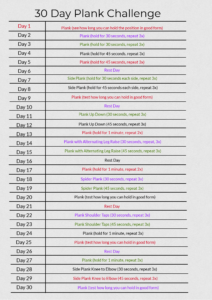
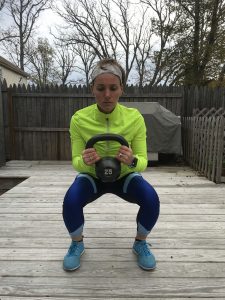
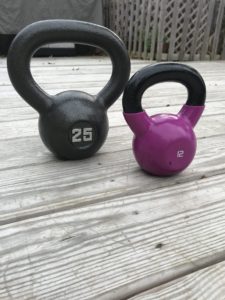 Looking for a way to mix up your sailing fitness training? Have you ever used a kettlebell in your workouts? Kettlebell training is a great way to step up your sailing fitness training. There are many benefits to training with a kettlebell. It is a simple tool to add to your training but does require some time in mastering the moves. Today you will learn the benefits of the kettlebell, what not to do, and a beginner kettlebell workout. Get ready to see some major improvements in your strength by adding this tool to your sailing fitness training!
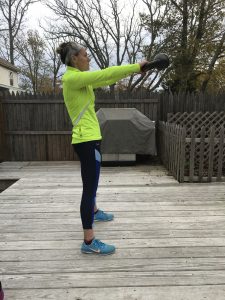 4. It’s a functional workout: The kettlebells design gives you get a functional workout. A functional workout means it helps to replicate the moves you encounter in sports and daily activities. This helps not only to improve your sports performance but help strengthen muscles for everyday living.
 For more information on fitness for sailing contact
 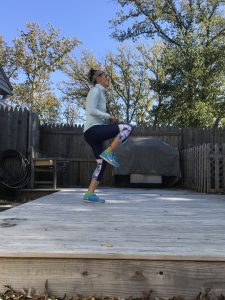 in by just using your body weight and no equipment. Sometimes when we are traveling for sailing, we are greeted with a hotel that doesn’t have a gym, or maybe its a day we want to workout at home instead of the gym. These days are perfect for body weight exercises that still get you working hard, just don’t have to worry about all that equipment. Gaining strength for sailing doesn’t have to be complicated, and I’m here to show you how.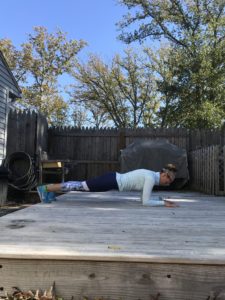
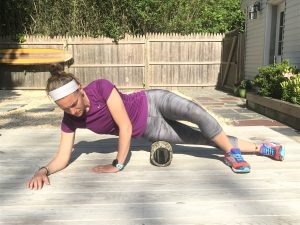 When I started foam rolling three years ago, it changed my life. When I finished my first full marathon, I could barely walk after. I found out I had iliotibial band syndrome which is a pain on the outside of the knee due to tissue rubbing on your bone. At this point I was getting certified to become a personal training when I reached the section on flexibility, I learned all about foam rolling and the benefits. Once I started incorporating foam rolling into my routine my knee pain started to go away. Today I rarely have knee pain, and if I do, it’s because I missed some foam rolling sessions.
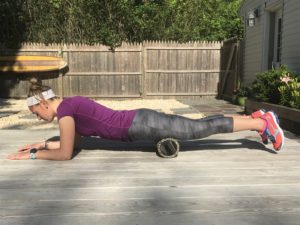 Foam rolling has changed my life as an athlete and in my everyday life. It could do wonders for you! If you want to better your sailing performance, enhance your recovery and your everyday life you need to add this to your routine now! You will be able to correct muscles imbalances, increase your flexibility and mobility, and prevent injury along with aid in your recovery. By adding foam rolling for only 5-10 minutes before and after sailing you can see these improvements. Why wait? Get out there and start rolling today!
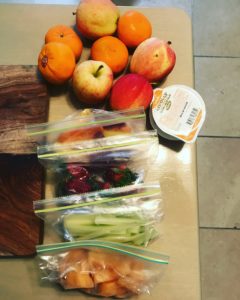 1. Pack For The Trip
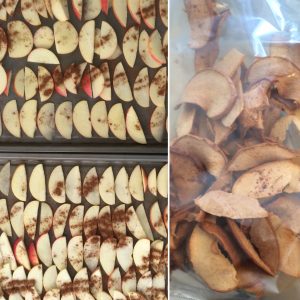 nges, grapes
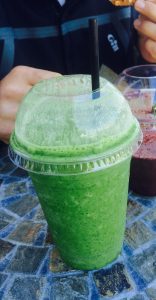 number of meals you normally do and attempt to do it at the same times. This is hard when your on the water, but do you best by bringing snacks with you.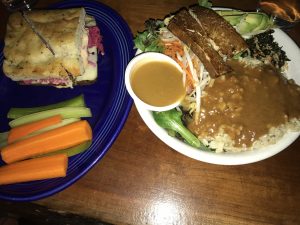
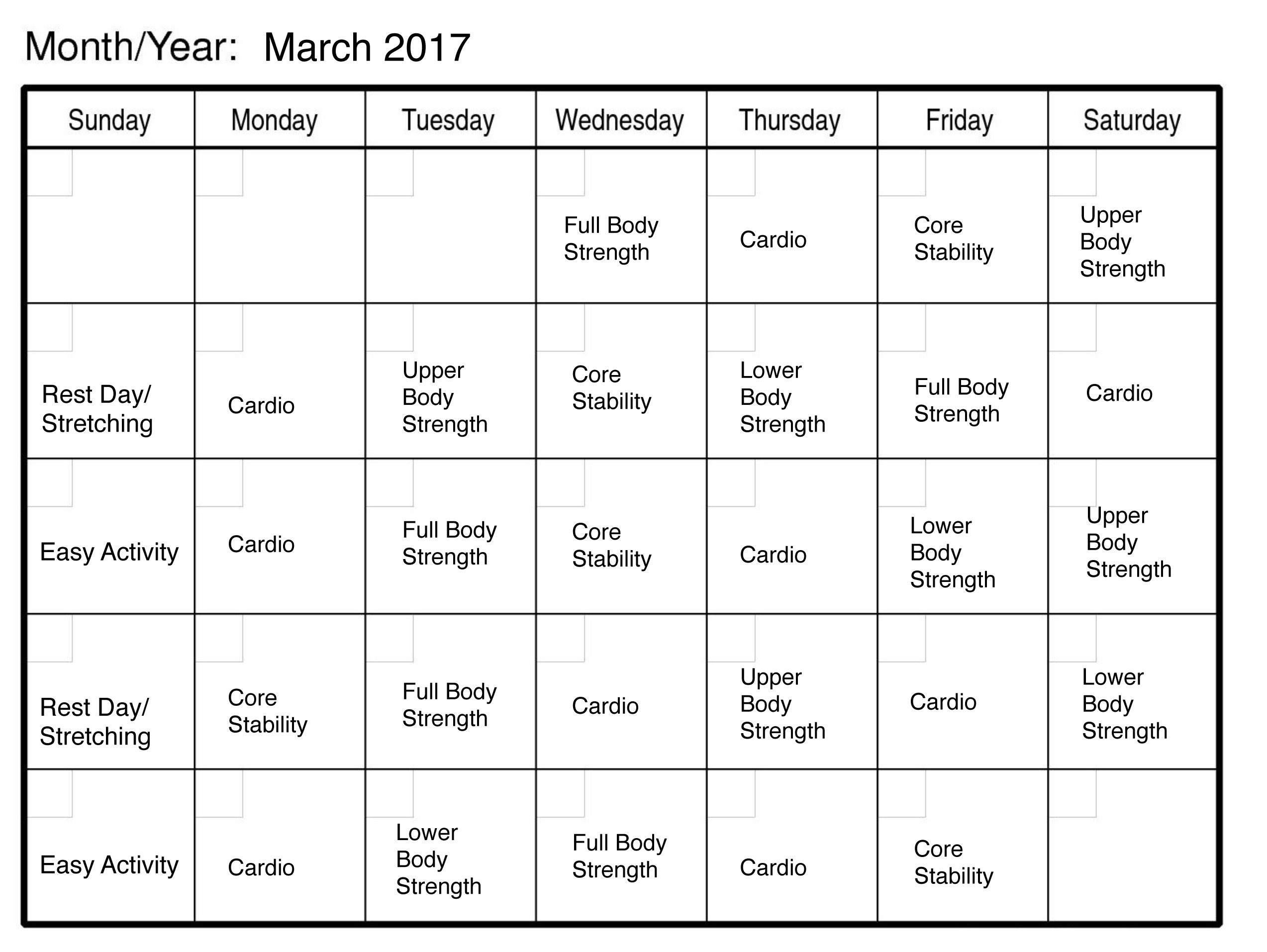
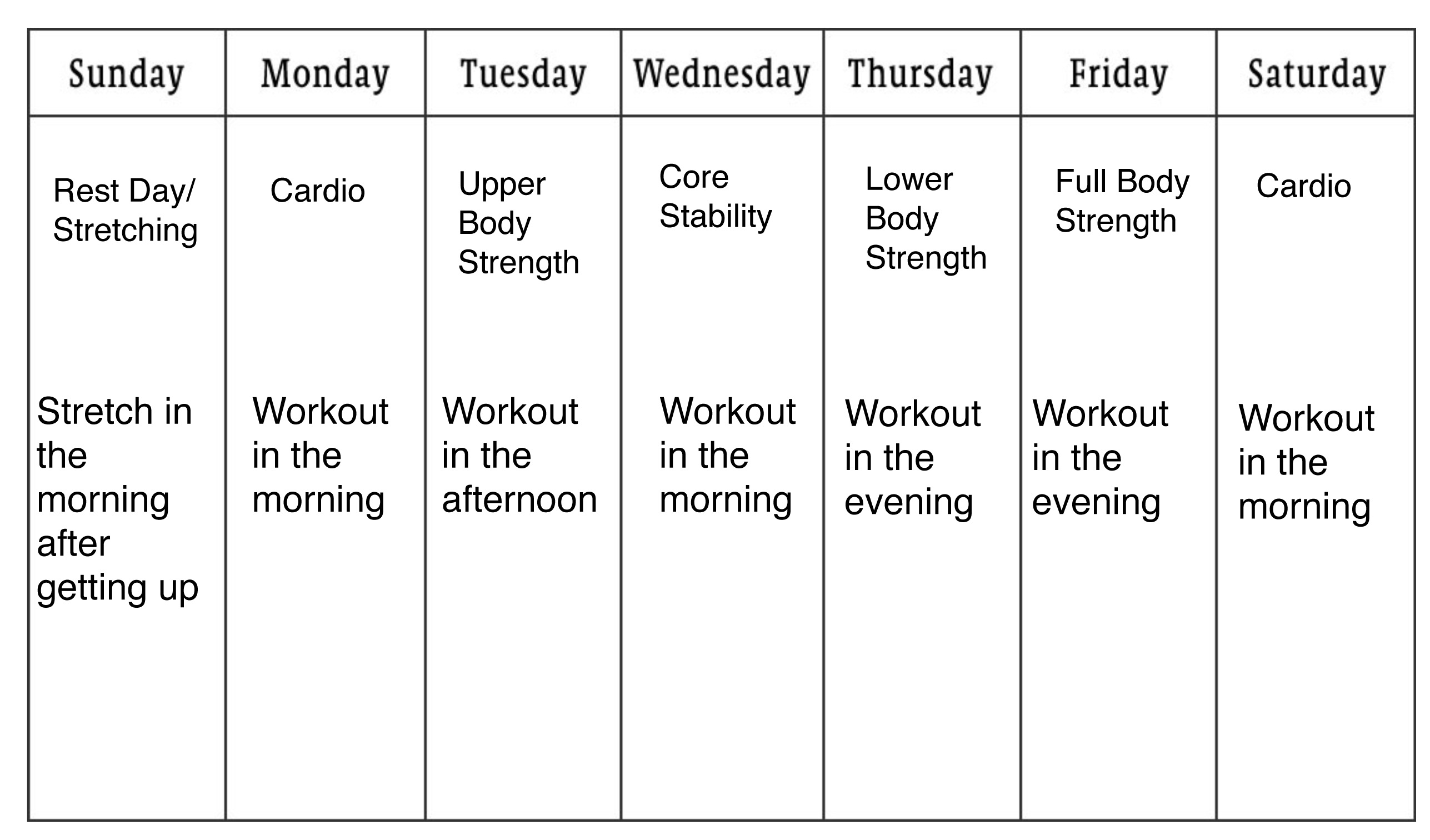
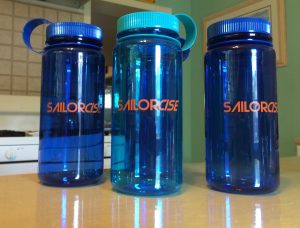 Tip 1: Hydrate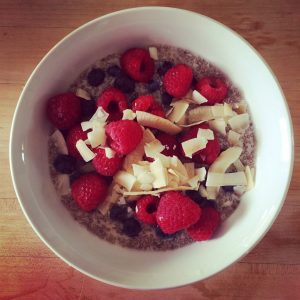
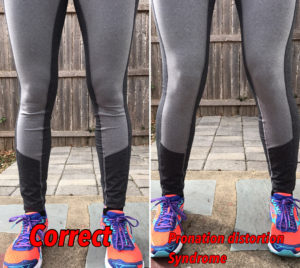
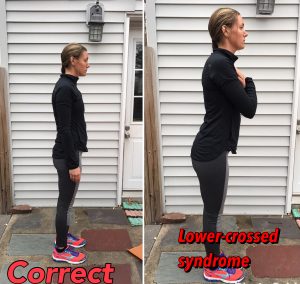 The muscles that are short or tight and need to be stretched:
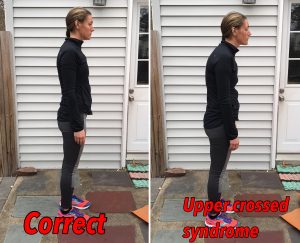 The muscles that are short or tight and need to be stretched: