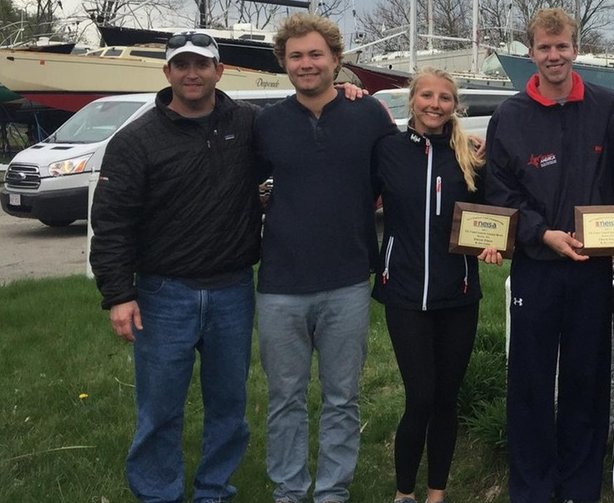
Sail1Design has been lucky to be part of some great moments over the years, mostly when we do our job, and take part in recognizing youth, high school, college, and one-design sailors. Reading nomination letters, hearing from our community about unsung heroes, sharing in the joy of the winners…… makes the whole Sail1Design project, now 12+ years in the making, more than worth it. Thanks to GILL for sponsoring this award and being a great steward of performance sailing over the years!!
Remember, for Coach of the Year, we only choose candidates from nomination letters sent in, so we sit back, and take what we get. This year, we were faced again
with narrowing a deserving field. Not easy. After going back and forth, and at first considering having two winners, we settled on one. This year, the S1D/Gill Coach of 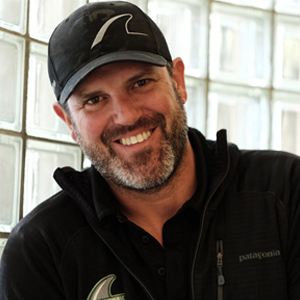 the Year Award goes to Jon Faudree. Jon has engineered an amazing rags-to-riches story in college sailing as he has helped the Jacksonville University Sailing Team hit unprecedented competitive heights in his time with the team.
Jon adds his name to an incredibly impressive list. Here are our former winners:
S1D Coach of the Year Winners
2019- Jon Faudree
2018- Scott Iklé
2017- Bill Healy
2016- Bill Ward
2015- Frank Pizzo
2014- Chris Dold
2013- Steve Hunt
Here is a bit from an article that appeared in the Jacksonville University’s The Wave magazine 18 June article by Melanie Cost:
“For the first time in the program’s six-year history, the team competed this spring in all three spring National Championships: the qualifying Semi-Finals for Women’s and Co-ed, as well as the Team Race Final. Continuing the team’s string of stellar firsts, in Newport JU Sailors Alfonso Garcia Bringas ’20, Jack Gower ’20 and Daniel Ofarrill ’22 won the Co-Ed Semi-Final “A Division,” besting the likes of Stanford, Navy, Dartmouth, Brown, Tufts and Boston University. With the A Division win and a strong showing in B Division, the team reached the Co-ed Finals for the first time in program history, by beating teams including Northwestern University, University of Notre Dame and University of Michigan. JU ultimately finished 16th in the country in the Co-ed Finals.
Since its founding in 2012, the JU Sailing Team has grown from five students who learned to sail on campus to nearly 40 athletes from 12 states and 8 countries.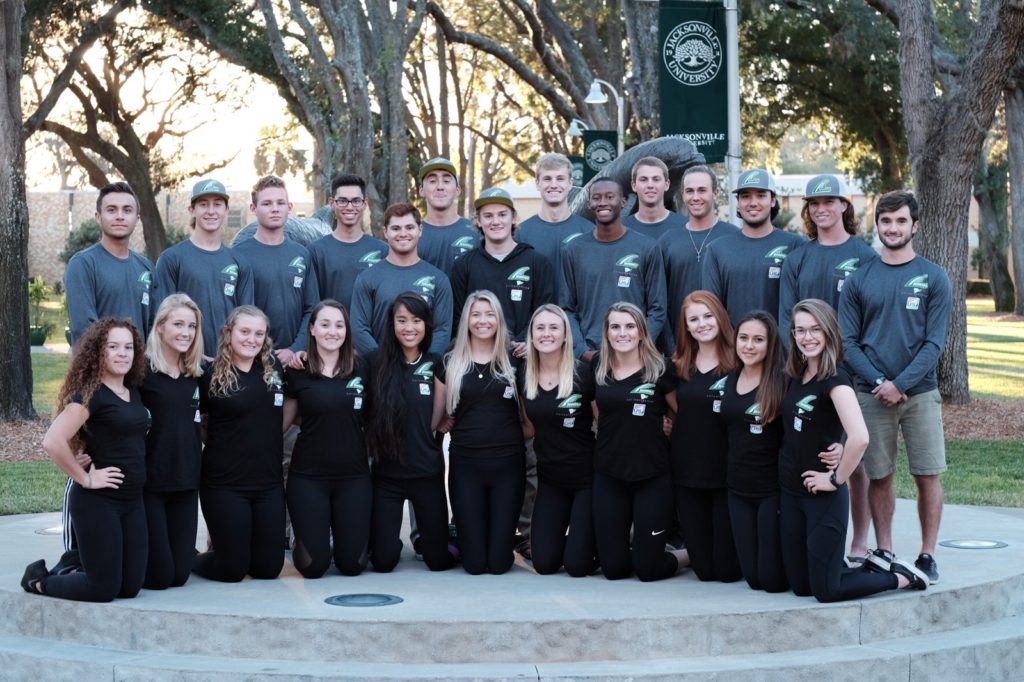
“My first year on campus, I wandered around looking for kids who looked like athletes, and convinced some of them to try sailing,” Coach Faudree said. “Now, thanks to our consistent high performance and a lot of time on the road recruiting, JU is attracting some of the best youth sailors in the country and internationally.”
The team’s success has been fast-paced: they have competed in six straight Co-ed National Semi-Finals and four straight Women’s National Semi-Finals. JU sailors have also come in second and fourth in the country in key individual National Championships in the past two years.
The team is a force for good both on and off the water. Coach Faudree and his sailors regularly volunteer their time to help grow the youth and high school sailing programs in Jacksonville, including at the Bolles School and the Florida Yacht Club, with future plans to help expand water sports and education opportunities for kids in other parts of Jacksonville, especially Arlington. Coach Faudree says, “One of my main goals when I arrived here was to promote sustainability, and increase the number of people focused on caring for the water and the planet. Our approach has been to grow the coolest sailing team in the country and use the team’s influence to connect people to the environment.”
 Thanks to our sponsor, Gill NA, our winner will receive a special prize from GILL!!!! Jon will also receive the coolest hat on earth from Sail1Design, the S1D Race Hat!! 😉
Here are some passages from the nomination letter:
I have known Jon for almost 7 years now and I am thoroughly impressed with his ability to coach sailors of all levels and in many different situations. I met Jon at Orange Bowl several years ago while we were both coaching, we immediately clicked and became friends. I watched him coach a large group of high school aged club 420 sailors and it was clear all the kids had a great level of respect for him and genuinely wanted to listen to what he had to say before sailing and in his de-briefs afterwards. This was my first but not last opportunity to see Jon in his coaching element….
Overall, I have been coaching for almost 12 years and have been coached and seen many coaches over my years as a junior sailor and in the profession of sailing. I believe Jon encompasses what this coach of the year award is all about and I would love to see this deserving coach receive the award.
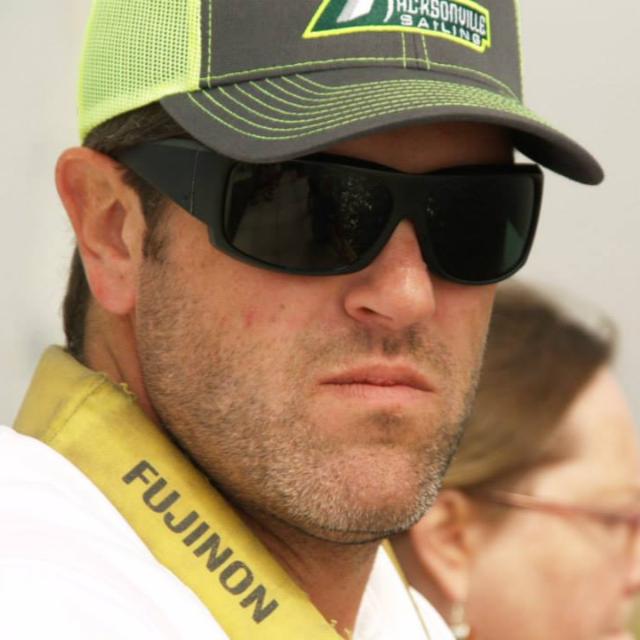
Congratulations Jon, and well done to the JU Sailing team!!!

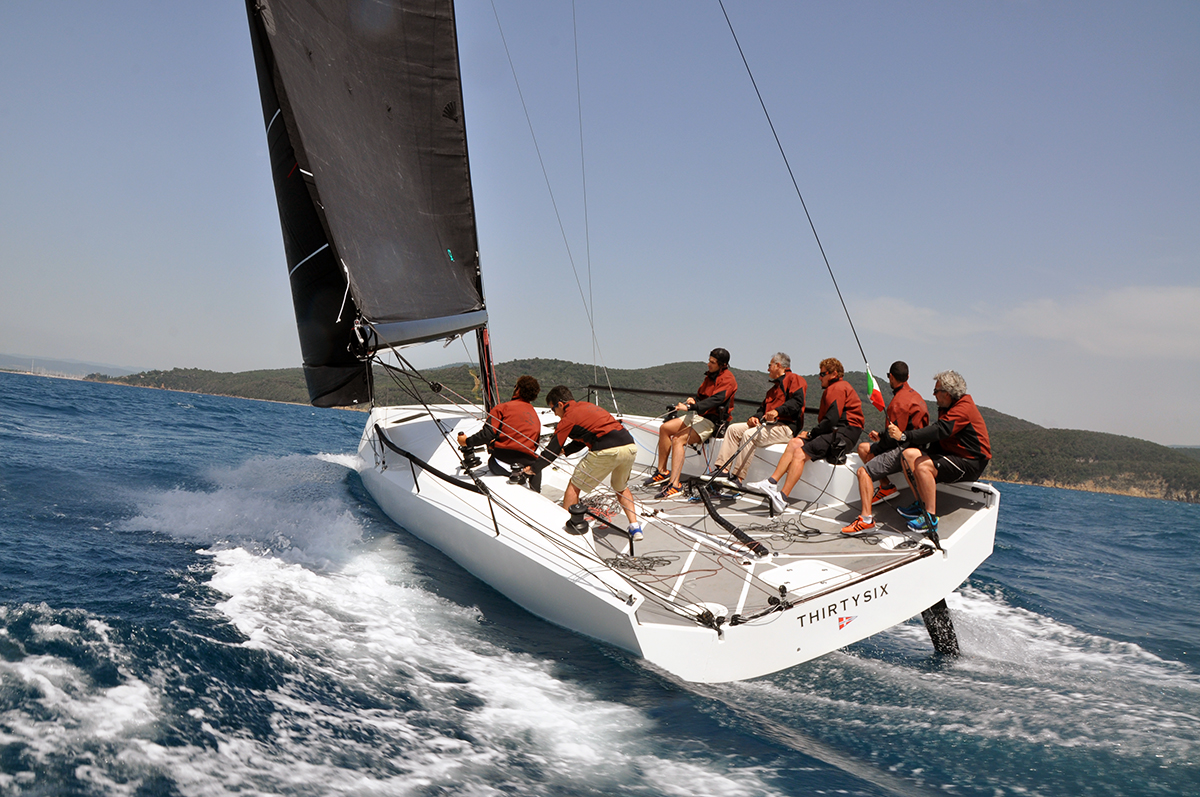
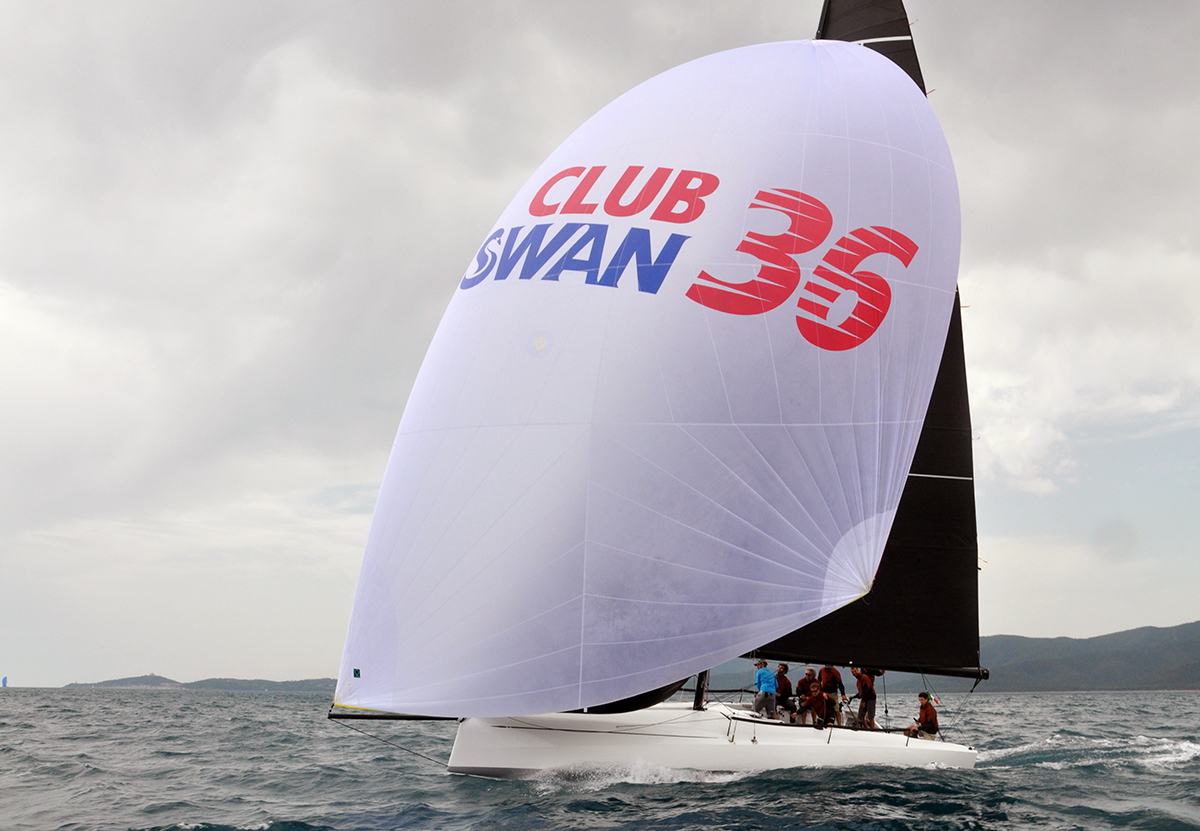
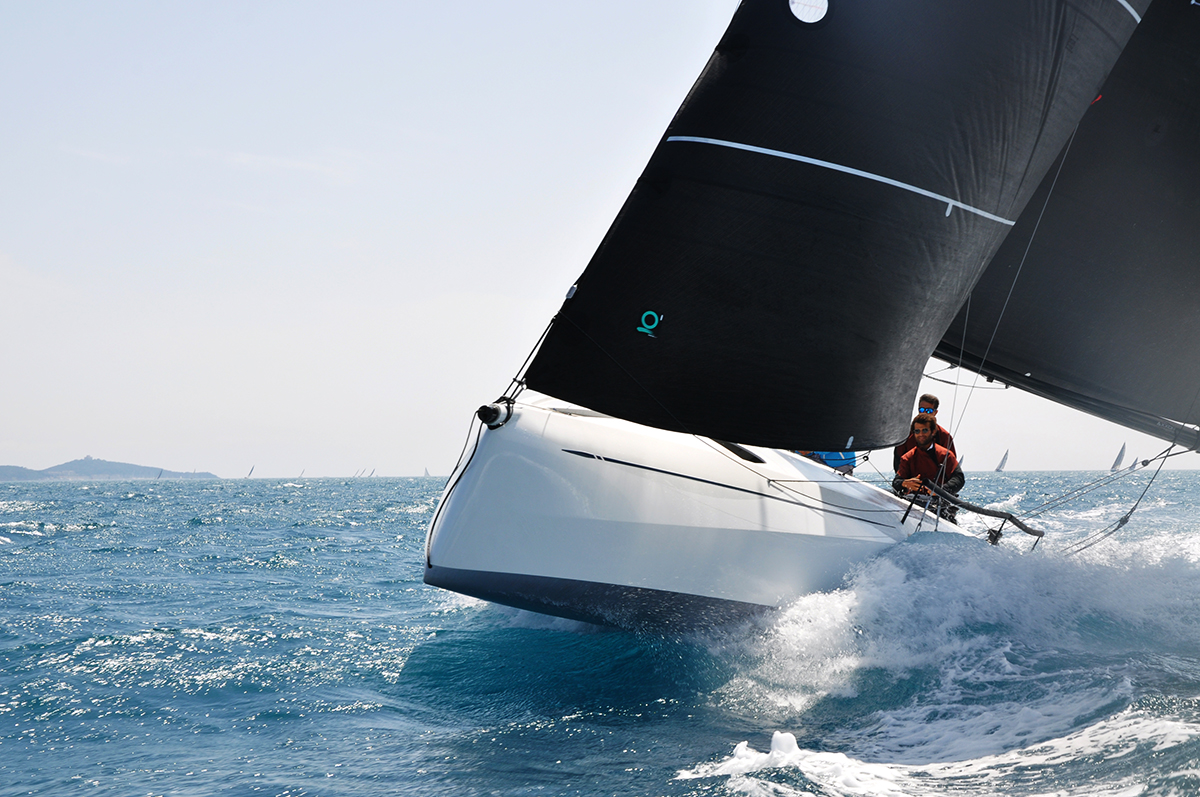 Jewels in the crown of the ClubSwan calendar are the Rolex Swan Cup, organised by the Yacht Club Costa Smeralda (Porto Cervo), and the Nations Trophy, dedicated to the Swan One Design yachts (ClubSwan 36, ClubSwan 50, Swan 45, ClubSwan 42).
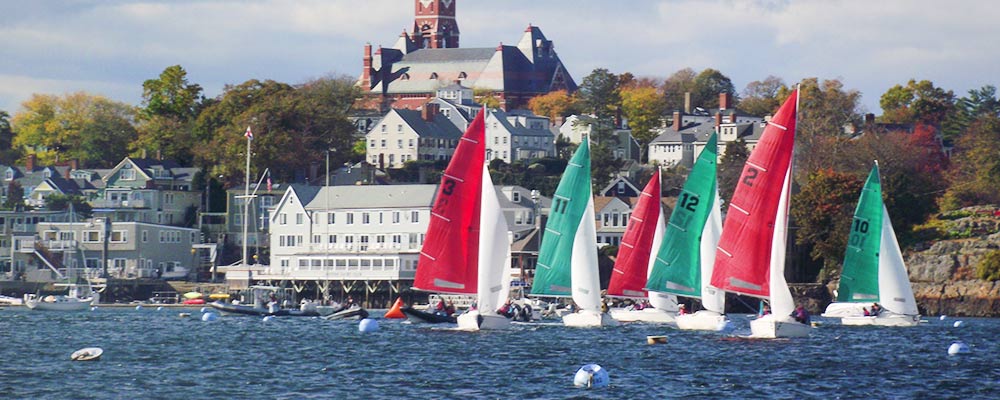 By Airwaves writer Pearson Potts– As dinghy team racing has lulled in recent years in the U.S., young, post-college sailors have substituted dinghies for inter-yacht club keelboat team racing. There is a circuit of roughly 30 events each year between yacht clubs in the northeast for varying levels of crews and skippers. Unfortunately, those who do not join a club to compete I have noticed often fade away in local PHRF series and keep a low profile. The problem is that these keelboats, such as Sonars and J22’s, don’t sail well with
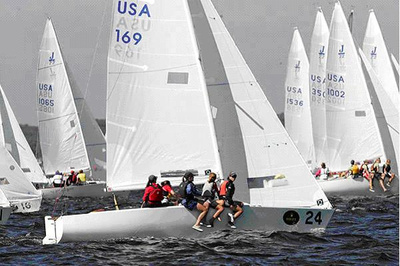 the slim female crews that dominated college sailing. The incentives for crews have seemingly flipped –where crews were rewarded in college for being lighter, they are now asked to be heavier. The boats want to be sailed flat and the sails require more strength to be pulled in compared to a 420 jib. Event organizers know this and set the maximum crew weight in the NOR to allow larger sailors. As a result, teams edge as close as they can to the limit to hit the high average per crew member which are typically male. These high averages crowd out talented female sailors from ever sailing in such events.
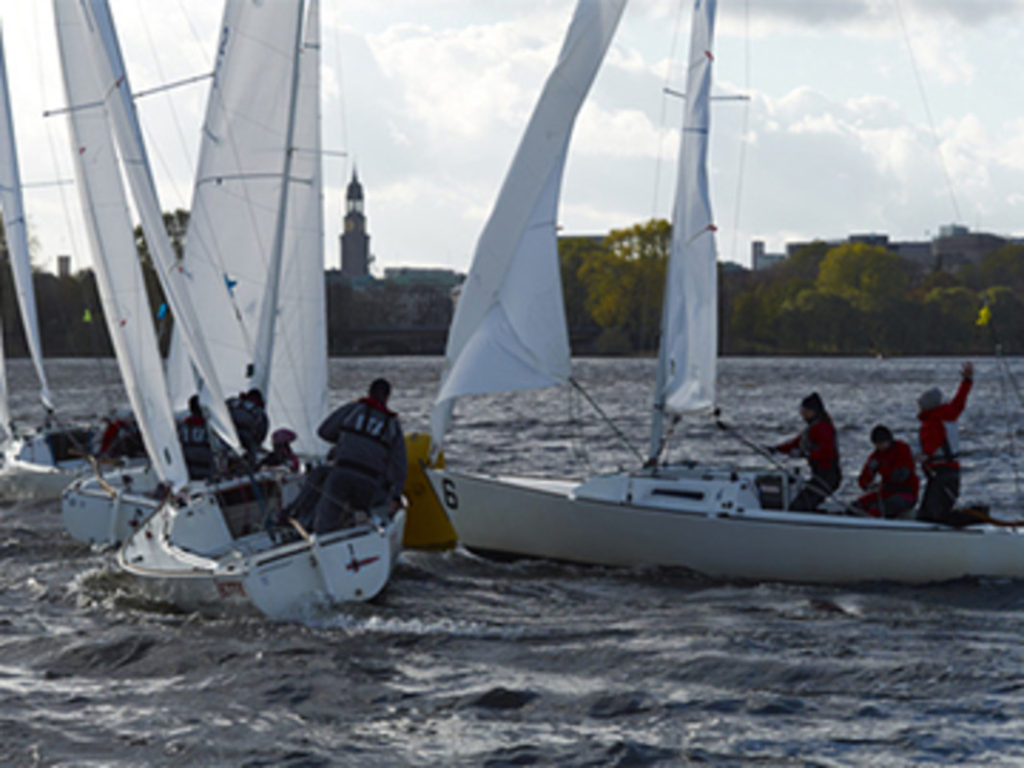 It is not only about my girlfriend or females in general though; weight is the core of the issue regardless of gender as we know is largely determined by our genetics. I enjoy sailing with my friends who happen to be a bit runty, thus I rely on competing in match race events where I can afford an extra crew member on board. I competed at the Ficker Cup in Catalina 37’s this year where the crew maximum mirrored the Congressional Cup that capped the maximum number of crew at 6 people with an average of 192 lbs. Forget females, it is not easy to find male sailors my age at that size. Come to think of it, I don’t recall a single female on any boat at the event despite it labeled as an “Open” regatta. According to the CDC, the median weight for males aged 20-29 in the U.S. is 168 –for women it is 132 lbs. The question is how can sailing adjust to accommodate such weights.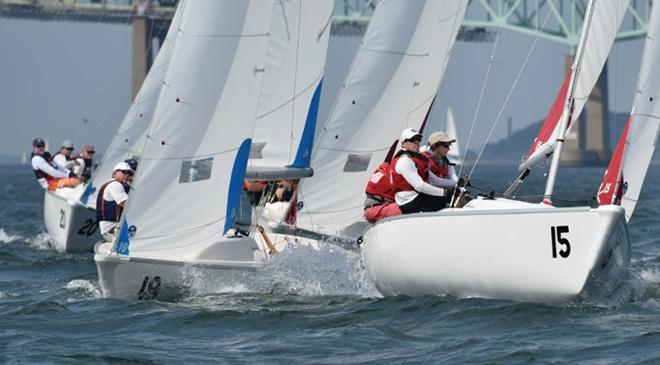
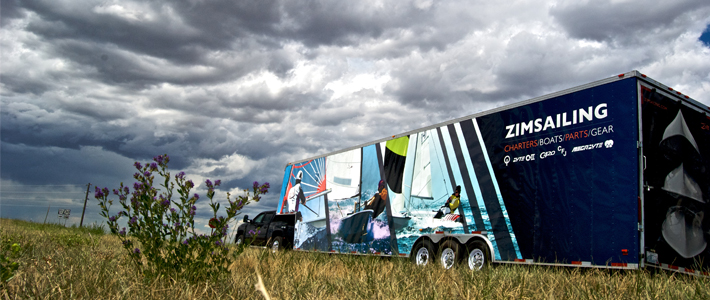
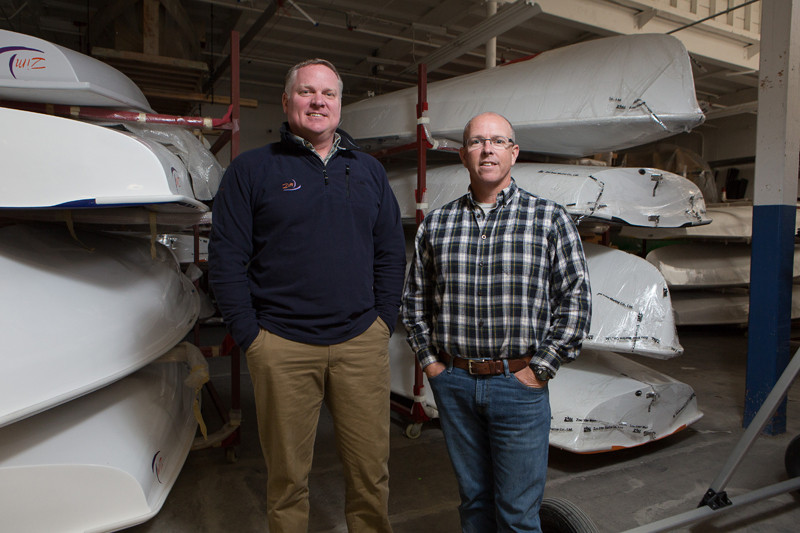
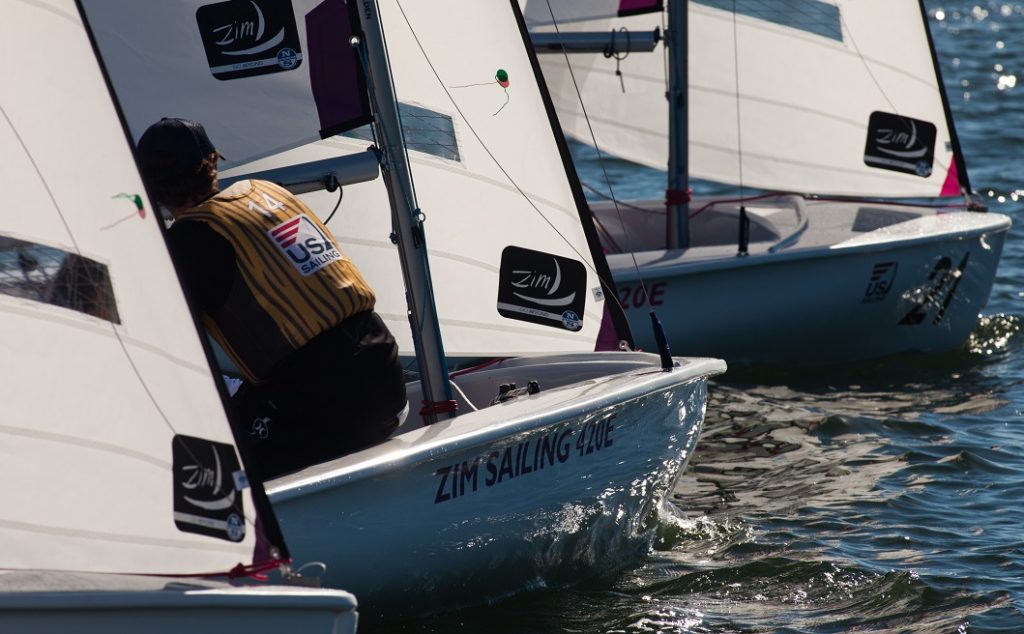 However, boat buyers are not who they used to be –and Zim knows it. Gone are the days where you buy a sailboat, join a yacht club and race it every weekend. Instead noncommittal millenials in early adulthood live in the land of Uber, AirBnB and TaskRabbit where boat ownership is not a thought. Zim has adapted and supported large community boating centers and yacht clubs who want a fleet of boats. They drive nearly 100,000 miles a year to attend events with only 25 sailors to national championships with 400. Few adults can be found in a dinghy after college save a group of lasers frostbiting. Summer camps are also poised to replace their archaic, brittle, fiberglass boats for rotomolded RS boats. Zim sailing has done its part to support sailing’s youth.
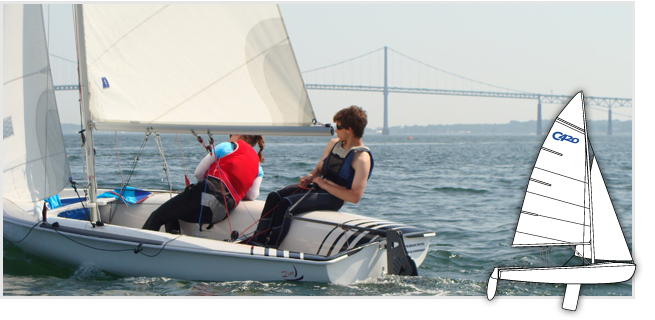

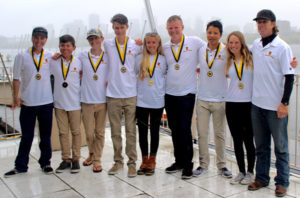
 Congratulations (again) to Point Loma High School for winning the S1D/Lon Gundie High School Sailing Team of the Year Award! From start to finish, PLHS was a
 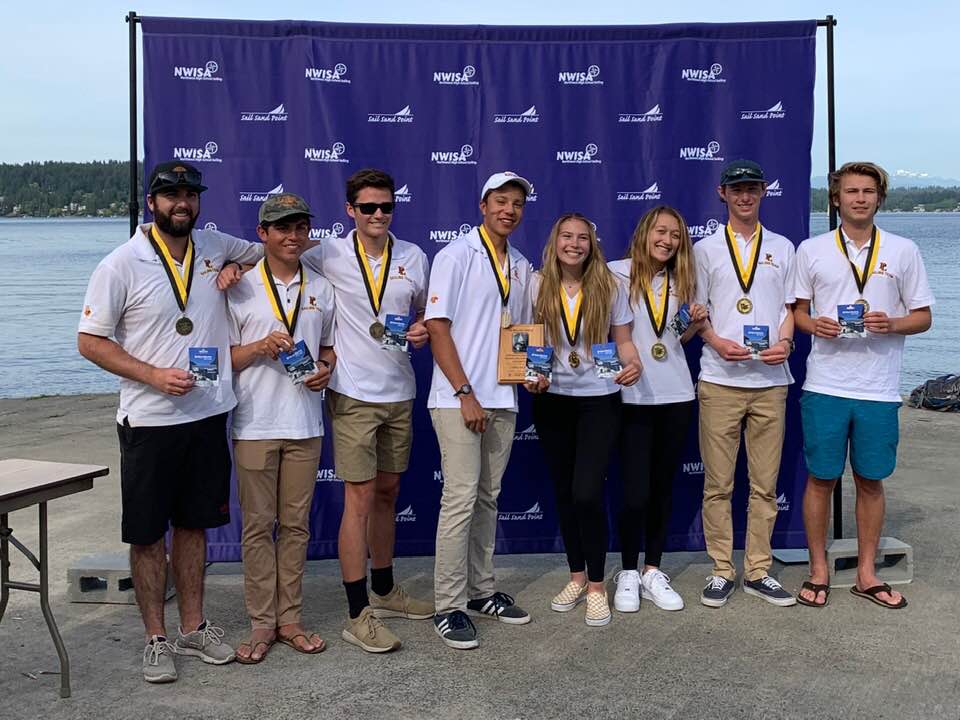 dominant force in PCISA sailing, and then at the National Championship Cressy, Mallory, and Baker events. Here are just a few highlights from this team’s season:
 personal drive of this one man.
 \
\

 So, when you look to your coaches for advice or to get to that next level, or if you are a interested in sailing in a college program, take a moment and check out the coaches resumes, just as they will most assuredly be checking yours. The list that makes coaches good coaches should be there for sure, but see if the coaches list how, or if, they stay current in their profession and have the passion to go out on the racecourse themselves. Great coaches usually always have a story, and very recent one, of a lesson learned at a regatta they sailed in themselves. They love to sail and get better, if only to become a better sailor and coach.